


Trump’s Ozempic story drew fresh attention after President Donald Trump described an unnamed wealthy friend during a White House dinner on September 2, 2026. The president was discussing why prescription drugs can cost more in the United States than in other countries. However, his repeated comments about the friend’s weight quickly became a separate subject of online conversation.
Trump said the friend had complained about paying far more for Ozempic in New York than in London. He also recounted making an insulting remark about the man’s appearance. Audience laughter accompanied parts of the story, according to the official transcript.
The reaction highlighted two different questions: whether a president’s personal anecdote was appropriate for a public speech, and what it actually showed about medicine prices. Those questions deserve separate answers.
Here is what Trump said, where the viral reaction came from, and what readers should know before treating one person’s reported drug bill as proof of a wider pricing claim.
What Trump Actually Said at the Rose Garden Dinner
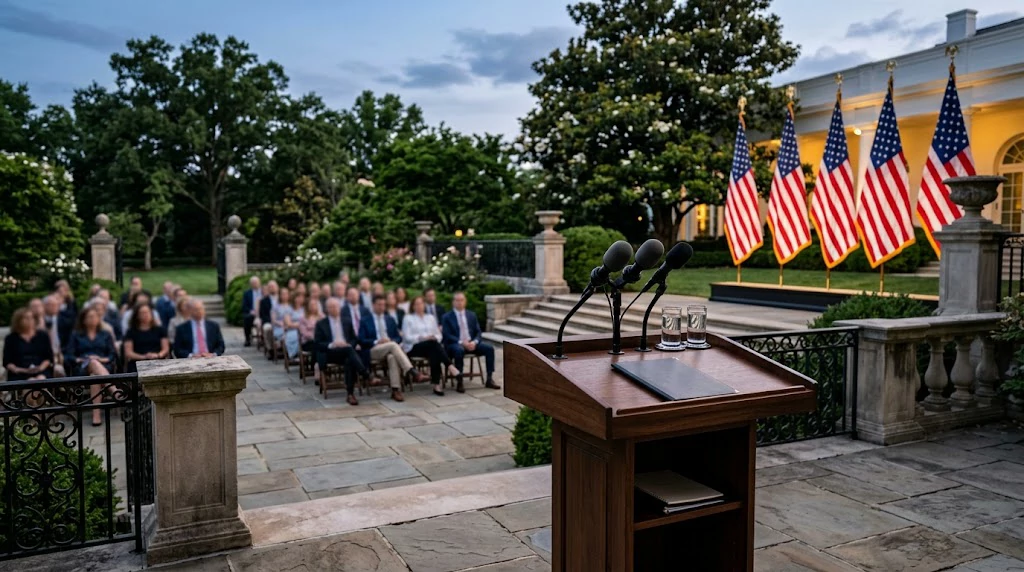
The remarks came during a dinner for Republican lawmakers at the White House on September 2. While describing his efforts to reduce US prescription drug prices, Trump shifted to an anecdote about a successful Wall Street acquaintance.
He described the man as “very, very heavy” and repeatedly commented on his size. He also recalled making a blunt remark directly to the friend about his weight. The transcript records laughter during that part of the speech.
Trump also portrayed the man as an accomplished, tough businessperson. According to his account, the friend wanted to remain anonymous because repeated retellings might harm his reputation.
The main point of the story concerned Ozempic. Trump said the friend told him he had paid about $86 in London for medication that cost him $1,300 in New York. Later in the remarks, Trump used $87 for the London figure. These numbers were part of Trump’s account; the president did not present receipts or enough detail to independently compare the two purchases.
Read the official September 2 transcript in the Compilation of Presidential Documents for the full wording and surrounding context.
Why Trump’s Ozempic Story Went Viral
The passage attracted attention because of the contrast between a serious policy issue and the president’s personal description of his friend. Drug affordability affects patients across the country. Yet the anecdote included comments about appearance, personal wealth, and the man’s reputation.
Those details led some online commentators to focus less on the prescription-price argument and more on the language Trump chose. For critics, the weight-related descriptions sounded unnecessary and unkind. Others may read the story primarily as an informal illustration of a real concern about expensive medicine.
The available coverage documents specific critical responses, not a scientific survey of public opinion. Therefore, claims that everyone reacted in one way would overstate the evidence.
Where the Harsh Headline Came From
A September 4 BuzzFeed article, originally published by HuffPost writer Ed Mazza, collected reactions to the remarks. It highlighted an X post in which journalist Aaron Rupar used a disparaging description of the president. That comment expressed Rupar’s opinion, not a medical finding or a conclusion established by the speech.
Other users questioned the identity of the friend or made jokes about the repeated anecdote. However, anonymous social posts and online jokes do not confirm the friend’s identity or establish whether the story happened exactly as told.
See the original report and the attributed social-media reactions for the public commentary that helped spread the headline.

What Trump’s Ozempic Story Leaves Unanswered
Several important details are missing from the anecdote. The president did not name the friend, disclose a purchase record, identify the precise package size, or explain whether insurance, discounts, or a national health system affected either price.
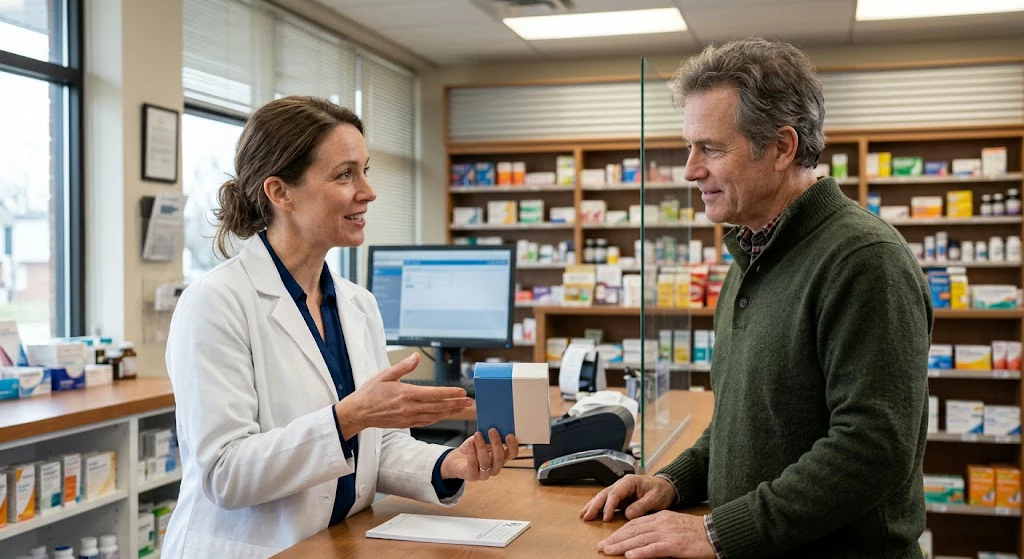
That matters because a drug can have several different prices. A list price, a pharmacy’s cash price, an insured patient’s copayment, and the amount paid after a discount are not interchangeable figures.
Likewise, drug strength and quantity can change what someone pays. A comparison of different supplies or purchasing channels would not show a direct difference in the cost of an identical prescription.
Trump presented the story as one reason he pushed for changes in US pharmaceutical pricing. However, without additional documentation, readers cannot verify whether the reported $86-to-$1,300 comparison matched a typical patient’s experience in either country.
Has Trump Told This Story Before?
Yes. Trump used versions of the same anecdote on several earlier occasions, including in 2025 and early 2026. The details and dollar figures varied slightly across retellings, but the basic story stayed similar: a successful New York acquaintance complained that a weight-related medicine was much cheaper in London.
That history helps explain why some commentators recognized the story immediately. It also means the September remarks should not be presented as the first time Trump discussed this unnamed friend publicly.
The Drug-Price Issue Behind the Controversy
The online reaction may have centered on the language, but prescription-drug affordability is a genuine public-policy issue. US prices for many brand-name medicines have historically exceeded prices in other wealthy countries. Still, comparisons depend on the product, the date, and the definition of price.
For instance, patients may experience very different out-of-pocket costs even when a published list price is identical. Insurance coverage, pharmacy benefit arrangements, negotiated discounts, and government purchasing systems can all affect the final amount.
What More Recent Price Research Shows
A September 24, 2026, analysis by KFF compared 32 brand-name drugs offered through TrumpRx with prices available in other wealthy countries. Of those 32 products, the TrumpRx prices were below the comparable-country average for 17 and above it for 15.
That mixed picture does not establish the price of Ozempic in Trump’s anecdote. Instead, it shows why broad statements claiming that every medicine is now cheaper in one market require careful checking.
KFF also noted that international data may reflect government or health-system prices rather than the price an individual customer would pay at a pharmacy. Read the KFF comparison of TrumpRx prices with other countries for the scope and limitations of the analysis.
What Is Ozempic, and Why Did It Come Up?
Ozempic is a prescription medicine containing semaglutide. In the United States, the brand is approved for uses involving adults with type 2 diabetes, among other approved indications. A related semaglutide brand, Wegovy, has approved uses for chronic weight management in eligible patients.
The medicines are related, but the brand names, labeled indications, formulations, and dosing should not be treated as identical. People should discuss treatment options with qualified healthcare professionals rather than using political remarks to decide what to take.
Trump referred to the category with informal language about body weight. However, that expression is not a clinical description of the medication’s benefits, risks, or proper use. The FDA’s explanation of approved semaglutide products provides more precise distinctions.
How the Conversation Became a Debate About Public Rhetoric
Public officials frequently use personal stories to explain policy choices. A familiar example can make a complicated issue easier to follow. However, personal anecdotes can also shift attention away from the intended point, especially when they reveal unflattering details about someone else.
Trump’s story created exactly that tension. The friend was supposed to illustrate the difference between drug prices across countries. Instead, readers also encountered repeated comments about his size, personality, and wish to remain unnamed.
Some responses criticized the president’s choice of words. In contrast, the drug-price argument invites a separate debate about how government and pharmaceutical companies should negotiate medicine costs. Readers can assess the two issues independently rather than assuming a reaction to one settles the other.
Why an Unnamed Friend Matters
Keeping the friend anonymous prevents the public from checking the central anecdote against that individual’s experience. It also limits the possibility of judging how the friend felt about the account.
Trump said his acquaintance had requested anonymity, and the president did not identify him in the speech. For that reason, attempts to guess who the person might be should remain speculation, not become published fact.
What Trump Said His Drug-Pricing Policy Would Do
The dinner speech placed the anecdote within Trump’s arguments for a most-favored-nation approach to drug pricing. In simple terms, the idea aims to connect certain US drug prices to lower prices available in other countries.
Trump said his administration had reached agreements and described large reductions. Those were his claims during the event, not evidence that every patient had already received the same savings.
A policy announcement, a manufacturer’s discount, a government program’s listed price, and a patient’s actual pharmacy bill can each tell a different story. Consequently, broad claims of success should be judged against published program terms and independently measured outcomes.
That distinction is particularly important when a speech moves between prices for an unnamed person’s medicine, general examples about international costs, and policy-wide percentages.
How to Read Viral Political Quotes More Carefully
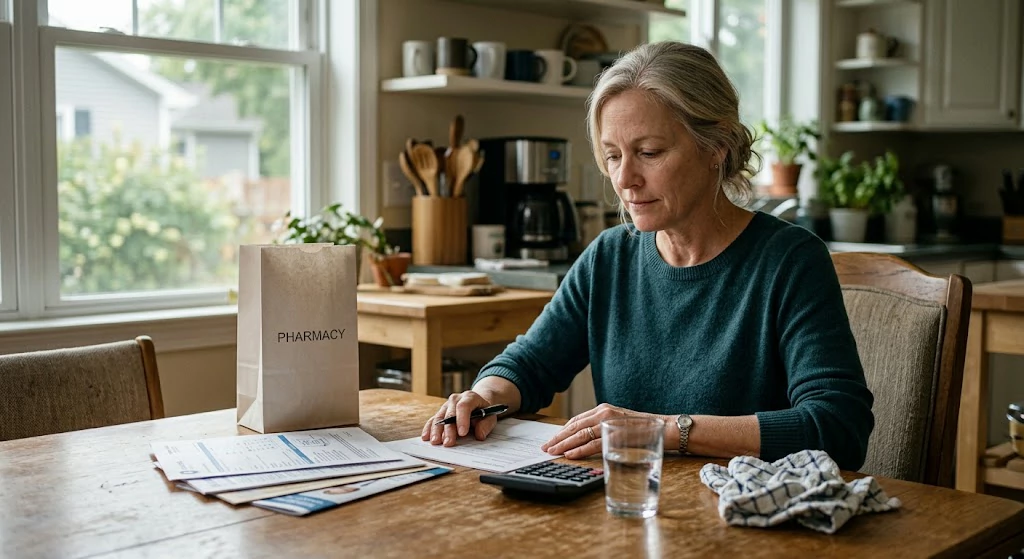
Short clips and screenshots move quickly, especially when a public figure makes an unusual remark. However, a clip alone may not show what question or policy topic led to it.
First, identify the event and date. Next, read the relevant passage in a full transcript or watch the longer recording. Then compare that primary source with reporting that explains the public reaction.
It also helps to separate different types of statements. Trump did make the weight-related comments recorded in the transcript. The drug-price figures, however, came from his unverified account of a friend’s purchases. Finally, harsh descriptions circulating online belong to individual commentators, not to an independent clinical assessment.
For more information, read our guide to https://qayqay.com/trump-xi-summit-2026/
What Readers Should Watch Next
The September remarks are part of a larger debate about whether advertised drug-price reductions translate into lower bills for US patients. Therefore, meaningful follow-up reporting should compare the actual products covered, their available prices, and the rules for accessing them.
It is also worth watching whether officials publish clearer details about negotiations and whether independent analysts can measure changes over time. For consumers, the practical question is not only what a government says a drug costs, but what an eligible patient can obtain and pay at a specific pharmacy.
At the same time, public reactions to Trump’s words illustrate how quickly political messaging can turn into a debate about respect, humor, and the expectations placed on elected officials.
For more information, read our guide to https://qayqay.com/trump-xi-summit-2026/
Frequently Asked Questions About Trump’s Ozempic Remarks
When did Trump make the comments about his friend?
Trump made the remarks at a White House Rose Garden Club dinner on September 2, 2026. The official transcript documents the anecdote in his discussion of prescription-drug prices.
Did Trump identify the friend?
No. He described the person as a wealthy Wall Street acquaintance and said the friend wanted to remain anonymous. The speech did not independently establish the person’s identity.
What did Trump say about the man’s appearance?
He repeatedly commented on his friend’s weight and said he had made an insulting remark about the person’s appearance. The comments appeared within a story about the cost of Ozempic.
How much did Trump say the Ozempic cost?
He reported roughly $86 or $87 in London and $1,300 in New York. Those figures were not accompanied by proof of matching prescriptions, payment methods, or package sizes.
Who made the sharply critical comment quoted in headlines?
Journalist Aaron Rupar posted the comment on X, and a September 4 news article highlighted it. It reflected his opinion, not a medical diagnosis.
Is Ozempic the same as Wegovy?
Both contain semaglutide, but they have different product labels and approved uses. A healthcare professional can explain which medication, if any, is appropriate for an individual patient.
Do US patients always pay more for every brand-name drug?
No single comparison supports that claim. Prices vary by medicine, coverage, discount, country, and purchasing arrangement. Recent KFF research found a mixed set of international price comparisons.
Final Thoughts
Trump’s Ozempic story became a viral news item because the president combined a drug-affordability argument with blunt descriptions of an unnamed friend. The speech itself is documented, and the online criticism is attributable to named commentators.
However, the underlying London-versus-New York price figures remain an anecdote without enough information for an exact comparison. The most useful way to understand the episode is to keep the speech, the reaction, and the broader prescription-drug debate distinct.