


President Donald Trump has moved to restrict White House access for three major news organizations, announcing on September 18, 2026, that CNN, MS NOW and Politico would be banned from the White House.
Trump said the decision was based on what he described as repeated “fake news” reporting. The following day, journalists from the three organizations were turned away from the White House, with reports that press credentials had been deactivated or confiscated.
The development has become more than a disagreement between a president and individual media organizations. It raises questions about press access, government-controlled facilities, journalism and the First Amendment.
The immediate question is simple: What happens next?
For now, CNN, MS NOW and Politico can continue covering the Trump administration from outside the White House. The larger questions could involve legal challenges, access rules and the government’s authority over journalists covering the president.
Key Takeaways
- Trump announced restrictions against CNN, MS NOW and Politico on September 18, 2026.
- Trump said he was responding to what he considered inaccurate or “fake news” reporting.
- Reporters from all three organizations were denied White House access on September 19.
- CNN, MS NOW and Politico have indicated that they intend to defend their ability to cover the administration.
- The First Amendment and government control over press access could become central issues if litigation follows.
- The restrictions do not prevent the three organizations from continuing to report from outside the White House.
- Trump has also indicated that other media organizations could potentially face similar restrictions.
What Trump Announced
On September 18, Trump announced that CNN, MS NOW and Politico would be barred from White House access.
Trump characterized the outlets’ reporting as “fake news” and said he was tired of coverage that he believed was inaccurate.
The announcement came through Trump’s social-media account. Later, he discussed the decision publicly and again criticized the three organizations.
Reuters reported that Trump also suggested other media organizations could potentially face similar treatment.
That made the announcement significant beyond the three organizations specifically named.
The broader question is not simply whether a president can criticize media coverage. Presidents frequently criticize news organizations.
The more consequential issue is what happens when criticism is followed by government action affecting journalists’ access to government facilities.
What Happened at the White House?
The situation became concrete on September 19.
Reporters from CNN, MS NOW and Politico attempted to access the White House grounds but were turned away.
The Associated Press reported that CNN White House reporter Betsy Klein and MS NOW reporter Akayla Gardner were denied entry, while Politico White House reporter Cheyenne Haslett was also turned away and had her credential confiscated.
Reuters separately reported that journalists from all three organizations were denied access after Trump’s announcement.
This distinction matters.
Trump’s announcement initially left questions about how the restriction would actually operate. By September 19, however, journalists from the three organizations were physically prevented from entering the White House complex.
The dispute had therefore moved from a presidential announcement into an operational restriction on journalists.
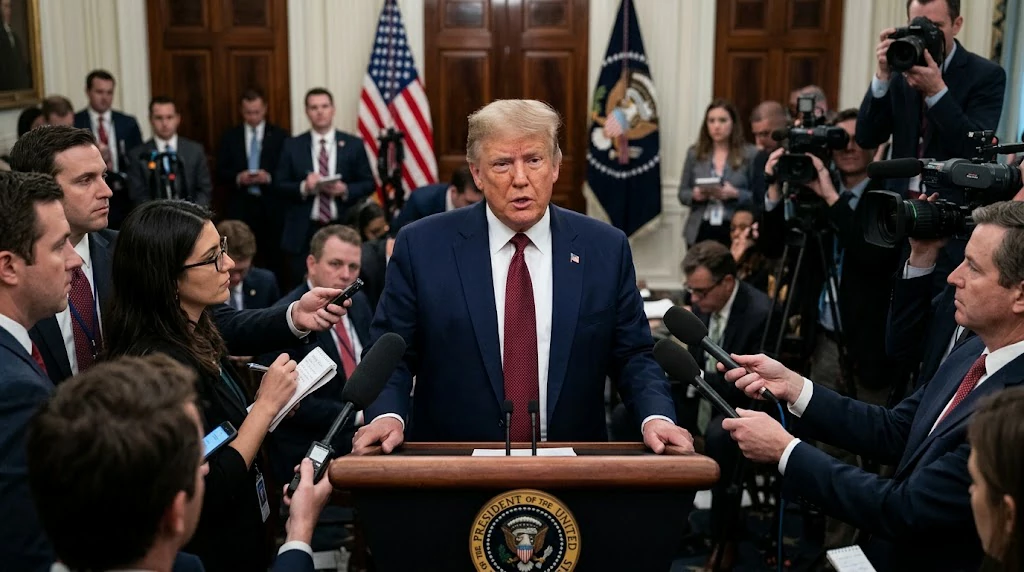
Why White House Press Access Matters
The White House is one of the most important reporting locations in American government.
Reporters stationed there can attend briefings, observe presidential events, question administration officials and report directly on decisions made by the executive branch.
Press pools are particularly important because not every journalist can attend every presidential event. Pool reporters can observe an event and distribute information to other members of the press corps.
That means access to the White House can affect more than one individual reporter.
When a major organization loses access, its journalists may no longer be able to participate directly in certain briefings or events.
However, losing physical access does not mean a news organization loses its ability to report.
A newsroom can interview government officials, review public documents, attend public events, use official statements, speak with independent sources and report from locations outside the White House.
What Is the First Amendment Question?
The First Amendment protects freedom of speech and freedom of the press.
That does not mean every journalist automatically has an unlimited right to enter every government-controlled location.
The more specific legal question is whether government officials can exclude journalists from important government spaces because of their reporting or perceived viewpoint.
That question can become especially complicated when the government controls the physical location where journalists are working.
The organizations affected by the restrictions have indicated that they believe their press rights are implicated.
The White House has defended Trump’s decision based on his objections to the organizations’ reporting.
The exact legal arguments would depend on how the restriction is formally implemented, what access rules apply and what justification the government provides.
If one or more of the organizations files a lawsuit, a federal court could be asked to examine those issues.
What Can CNN, MS NOW and Politico Do Next?
Several developments are possible.
1. Continue Reporting Outside the White House
This is already happening.
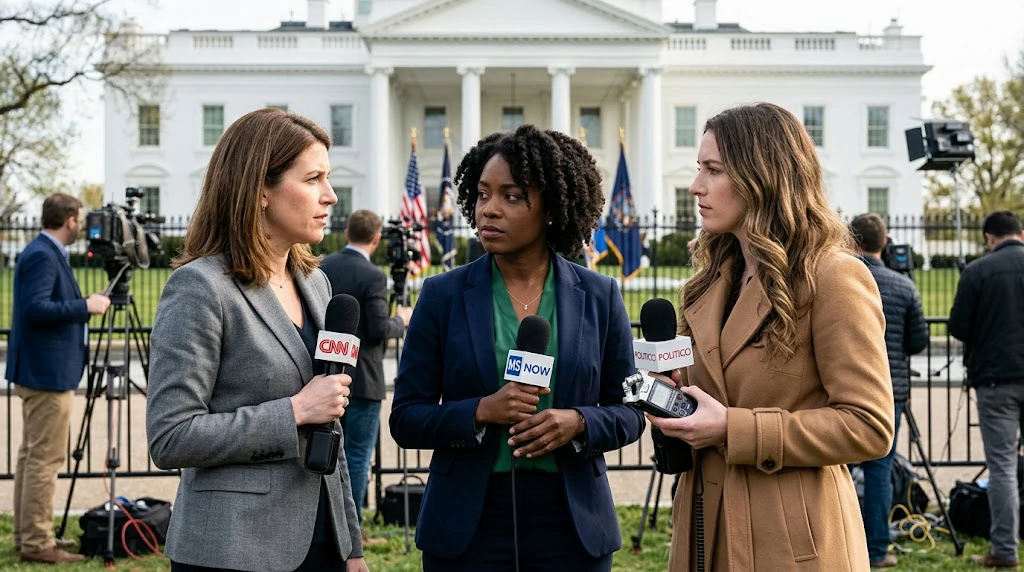
Journalists can continue covering the Trump administration from outside the White House complex using interviews, public statements, documents, public events and other sources.
Reports published after the ban showed journalists from the affected organizations continuing their coverage despite being denied entry.
2. Challenge the Restrictions in Court
The affected organizations have indicated that they intend to defend their press rights.
A lawsuit could ask a federal court to determine whether the restrictions are lawful and whether the organizations are entitled to legal relief.
The exact legal strategy would be determined by the organizations and their attorneys.
3. Seek Clarification
Another issue is the precise scope of the restrictions.
Questions could include whether the restrictions apply to every employee, every White House facility, particular events or specific forms of press access.
A formal policy or court filing could provide more clarity than the original announcement.
4. Use Alternative Sources
Even without physical access, journalists can obtain information through congressional offices, federal agencies, public records, court documents, official statements and interviews.
Therefore, losing physical access does not automatically end an organization’s ability to cover the administration.
Could Other Media Outlets Be Banned?
This remains one of the major unanswered questions.
Trump has indicated that additional media organizations could potentially face similar restrictions. Reuters reported that he mentioned the possibility of further bans after announcing the restrictions against CNN, MS NOW and Politico.
However, an indication that additional organizations could be targeted is not the same as an actual ban.
As of September 20, 2026, the confirmed restrictions concern CNN, MS NOW and Politico.
If additional outlets are restricted, the legal and practical consequences could become broader.
A larger dispute could involve questions about whether the administration is establishing a general policy for media access or making individual decisions about particular organizations.
How White House Coverage Can Continue
The White House is not the only place where presidential reporting happens.
Modern White House reporters can build stories through multiple channels.
White House Statements
Official statements can provide the administration’s position on policies and events.
Public Events
Presidential appearances outside restricted areas can provide direct quotes, announcements and visual reporting.
Congressional Sources
Members of Congress and congressional committees can provide information about legislation, oversight and government decisions.
Federal Agencies
Government departments can provide documents, data and information about policy implementation.
Court Documents
If litigation begins, court filings can provide primary-source information about the dispute.
Interviews
Reporters can speak with current and former officials, lawmakers, lawyers and independent experts.
Public Records
Government records can provide documents and evidence without requiring physical access to the White House.
This means access restrictions can change how journalism is performed without eliminating journalism itself.
The bigger concern for news organizations is the loss of direct access to officials and events that can make reporting faster and easier to verify.
What Happens If the Dispute Goes to Court?
A court challenge could take several forms.
The affected organizations could seek an order preventing the government from enforcing the restrictions while a broader case proceeds.
The government could argue that access to certain White House areas is subject to security, logistical or administrative rules.
The media organizations could argue that the restrictions were imposed because of their reporting and therefore raise First Amendment concerns.
Previous disputes between the Trump administration and news organizations have already produced litigation over press access and credentials.
However, the outcome of any new case cannot be determined in advance.
Much would depend on the specific facts, the government’s stated justification, the applicable access rules and the evidence presented to a court.
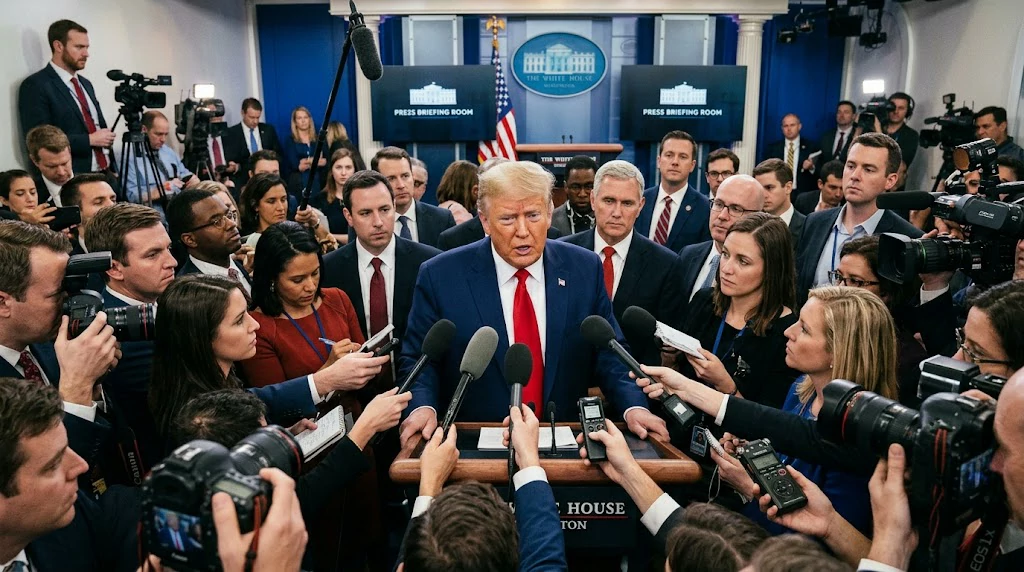
Why the Timing Matters
The dispute comes during a politically consequential period in the United States, with the 2026 midterm elections approaching.
That does not by itself determine the legal status of the restrictions.
However, it increases public attention to how Americans receive information about government actions.
For readers, it is useful to distinguish between several different types of information:
- What Trump or the White House says
- What CNN, MS NOW or Politico says
- What journalists independently observe
- What official documents establish
- What legal experts argue
- What a court ultimately decides
That distinction is particularly important when the parties involved strongly disagree about media coverage.
What Americans Should Watch Next
Formal White House Policy
One important question is whether the administration publishes detailed rules explaining the restrictions.
Legal Filings
If CNN, MS NOW or Politico files a lawsuit, the initial court documents could clarify the constitutional arguments on both sides.
Court Decisions
Any ruling could provide guidance on how the specific restrictions are treated under existing First Amendment principles.
Additional Media Restrictions
Trump has suggested that other outlets could face similar treatment. Whether that happens remains an open question.
White House Press Access Rules
The administration’s broader approach to press pools, credentials and access could become increasingly important if the dispute continues.
The Larger Issue: Access vs. Editorial Disagreement
Presidents and news organizations frequently disagree.
A president can criticize a publication, dispute its reporting or argue that coverage is unfair.
The more consequential issue begins when criticism is followed by government action affecting journalists’ access.
That is where the current dispute moves beyond an ordinary media argument.
The central factual questions are therefore straightforward.
Did the White House restrict access?
Yes. Journalists from CNN, MS NOW and Politico were denied access on September 19.
Why did Trump say he imposed the restriction?
Trump said the organizations had engaged in what he characterized as “fake news” reporting.
Do the affected organizations accept that explanation?
No. The organizations have challenged the restrictions and indicated that they intend to defend their press rights.
Will the restrictions survive a legal challenge?
That remains unresolved.
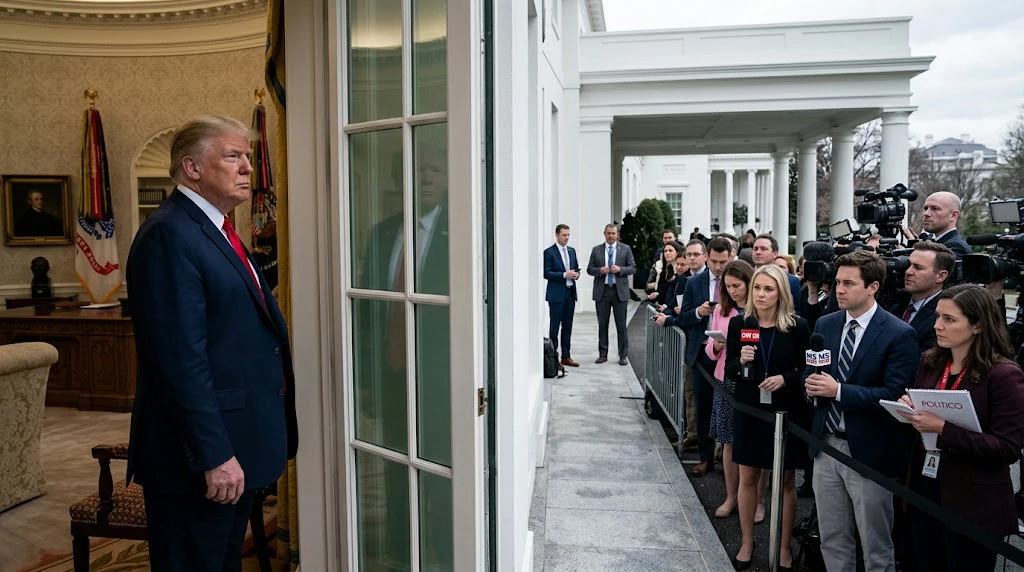
Frequently Asked Questions
Why did Trump ban CNN, MS NOW and Politico from the White House?
Trump said he was restricting the organizations because of what he characterized as repeated “fake news” and inaccurate reporting about him and his administration. The announcement was made on September 18, 2026.
Were CNN, MS NOW and Politico actually denied entry?
Yes. On September 19, journalists from all three organizations were denied access to the White House grounds. Reports said some press credentials were deactivated or confiscated.
Can CNN, MS NOW and Politico still report on Trump?
Yes. The organizations can continue covering the president and administration from outside the White House through interviews, public events, government documents, statements and other reporting methods.
Is banning journalists from the White House automatically unconstitutional?
Not automatically. The constitutional question depends on the circumstances and legal basis for the restriction. A court would need to examine the specific access rules, government justification and First Amendment issues involved.
Could Trump ban other news organizations?
Trump has indicated that other media organizations could potentially face similar restrictions. As of September 20, 2026, however, the confirmed action concerns CNN, MS NOW and Politico.
What could happen next?
The affected organizations could continue reporting outside the White House, seek clarification of the restrictions or pursue legal action. The administration could also issue additional access rules.
Why does White House press access matter?
Access allows journalists to attend briefings, observe presidential events and ask administration officials questions. Restricting access can therefore change how directly a news organization covers the executive branch.
Conclusion
Trump’s decision to restrict CNN, MS NOW and Politico from the White House has quickly become a dispute over more than press credentials.
The immediate facts are clear: Trump announced the restrictions on September 18, and journalists from the three organizations were denied access on September 19.
What remains unresolved is the legal and practical future of those restrictions.
The affected organizations have indicated that they will defend their ability to cover the administration, while the White House has defended Trump’s position.
If the dispute reaches federal court, judges could be asked to examine whether the government’s actions comply with constitutional protections and applicable access rules.
For now, the story remains developing.
The most important developments to watch are any formal White House policy, potential lawsuits, court rulings and whether additional news organizations face similar restrictions.