


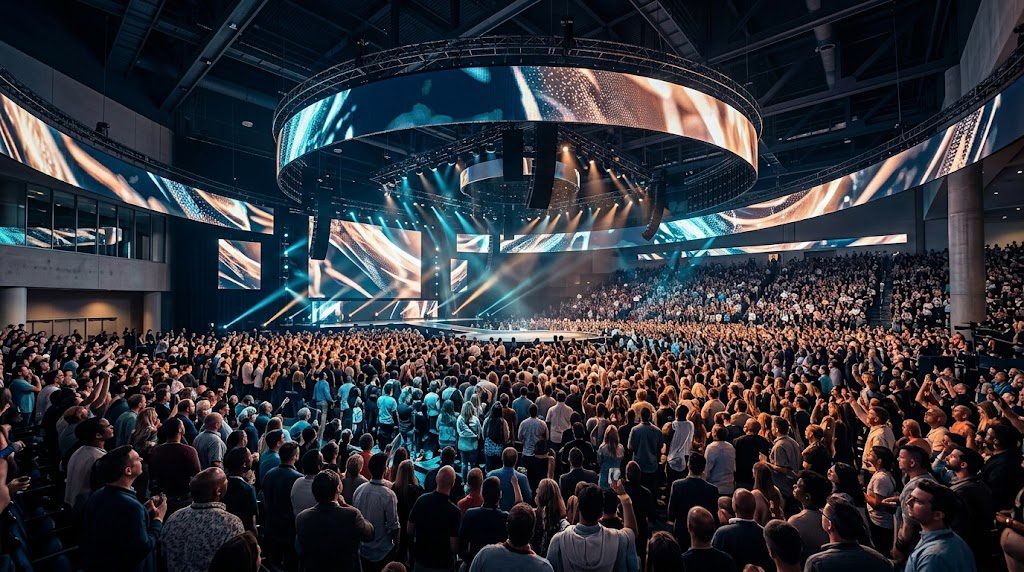
Political conventions are tightly choreographed productions designed to project absolute unity. However, every detail, from the podium height to stage lighting, is engineered for cable news. Yet, despite millions spent, high-profile political gatherings almost always encounter unexpected friction. When Donald Trump took center stage at a major convention in Dallas, Texas, the event delivered high-energy theater. However, it also ran headfirst into a glaring logistical hurdle that dominated social media before the keynote speech concluded.
Behind framed camera angles and roaring crowds, attendees and journalists zeroed in on a persistent complication. In large-scale political arenas, massive crowds create unique vulnerabilities. While insiders focused on policy proposals, the room discussed something entirely different. Understanding what went wrong in Dallas requires looking past surface glamour and examining modern political convention planning.
The Scale and Ambition of Modern Political Gatherings
Hosting a massive political convention in Dallas requires extraordinary coordination. Venues must accommodate thousands of supporters and hundreds of media members. Therefore, organizers maintain rigorous safety protocols.
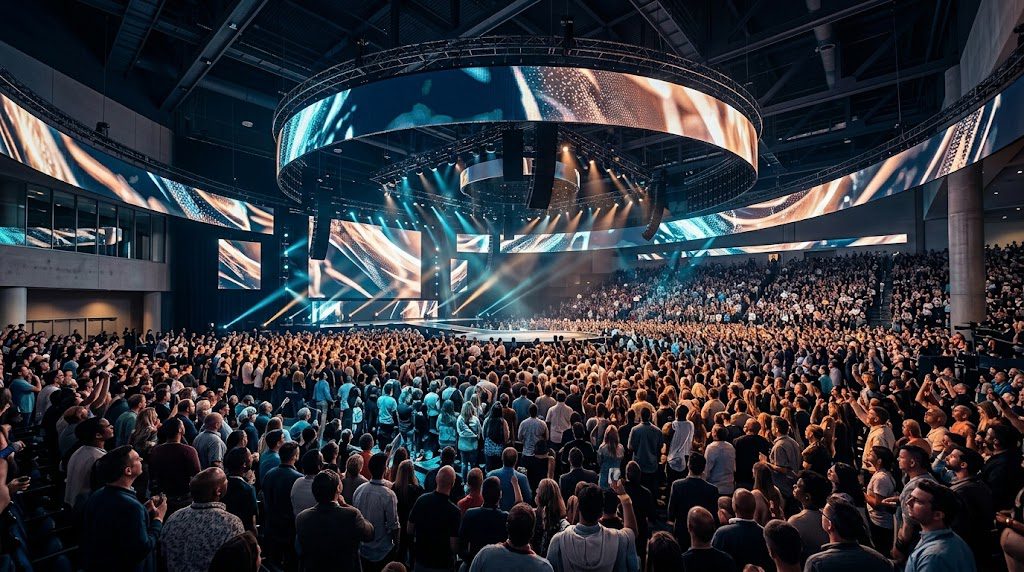
The ambition behind these gatherings is immersive. State-of-the-art audio systems transform standard convention centers. Every visual element is tested repeatedly. Yet, sheer physical scale introduces unexpected bottlenecks. When thousands converge on a single concourse simultaneously, crowd-management strategies experience severe strain.
The Anatomy of the Dallas Convention Disruption
What made the Dallas event a talking point? The issue was not a failure of messaging. Rather, it involved venue capacity logistics and sightline management.
As doors opened, bottlenecks formed quickly. For a significant portion of the audience, getting to assigned seats proved grueling. Media crews faced similar delays. While people inside experienced an electric atmosphere, those stuck in transit corridors experienced crowded conditions and communication breakdowns.
Why Technical and Logistical Hurdles Overshadow Speeches
In modern media, success is rarely judged solely by speech delivery. A single visual glitch can easily hijack the news cycle. Because Donald Trump headlined the event, the margin for error was razor-thin.
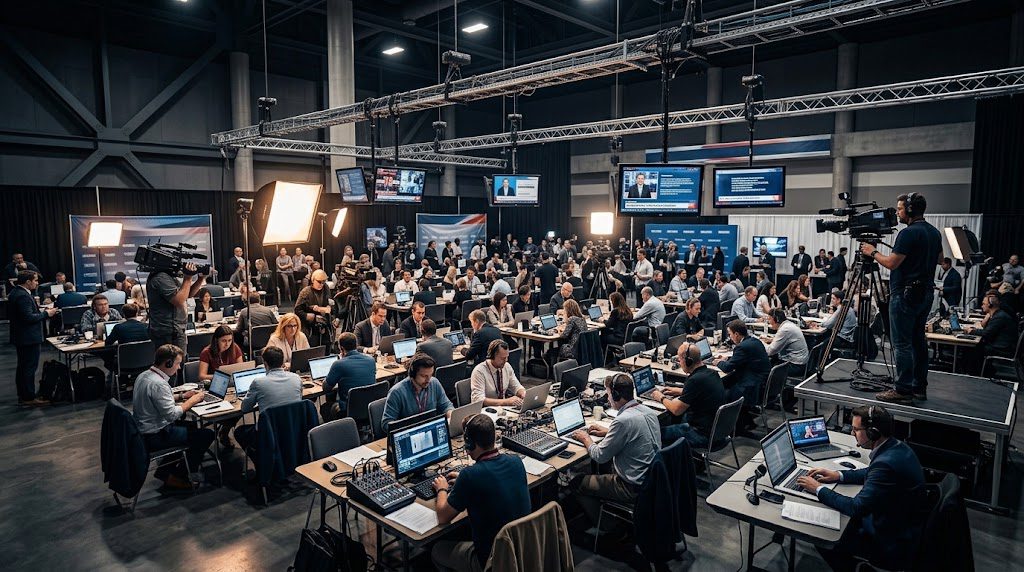
Journalists constantly hunt for narrative angles. When a logistical bottleneck occurs, it provides an immediate story. Social media platforms amplify these friction points rapidly. Attendees tweet photos of crowded corridors, turning localized issues into national topics within minutes. Consequently, campaigns balance theatrical ambitions with crowd control.
The Security and Crowd Control Dilemma
Balancing accessibility with security is difficult. Security protocols involve multiple screening layers. While non-negotiable for protection, these measures inherently slow human traffic.
In Dallas, security checkpoints created a bottleneck effect. Supporters arriving in tight windows overwhelmed entry gates. This created long lines outside cooling zones. Because queues were dense, older attendees tested their patience early. Event organizers face a permanent tug-of-war here: streamline security or maintain strict protocols.
How Campaigns Adapt to Venue Pressures
Experienced advance teams study blueprints months in advance. They map out arrival routes to prevent cross-contamination. However, reality rarely matches a digital blueprint.
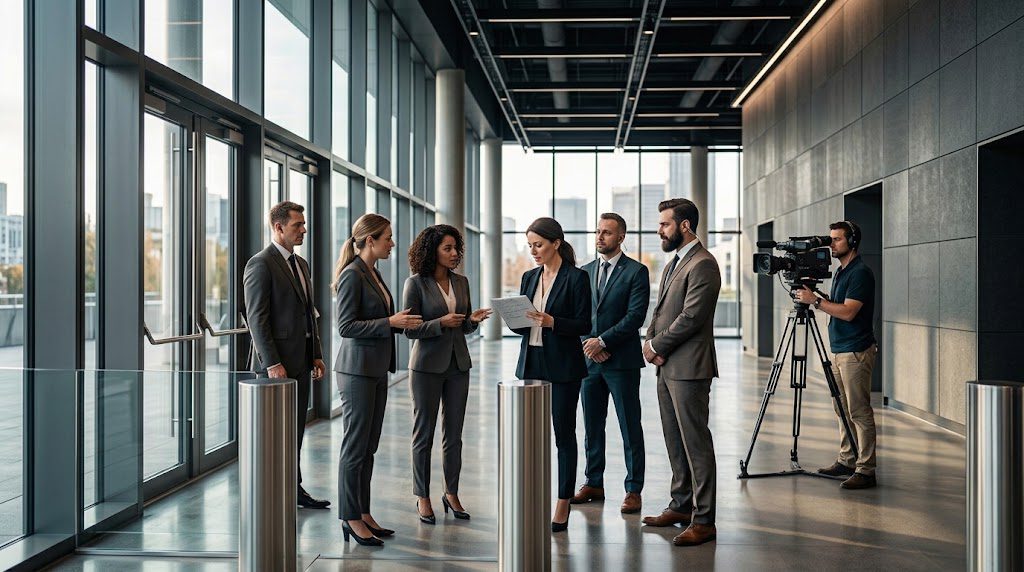
When bottlenecks occur, campaign staff pivot rapidly. This often involves dispatching volunteers or opening secondary exits. The ability to adapt separates a smooth tour from a disaster. Moreover, aggressive damage control prevents public relations headaches.
The Broader Impact on Political Optics
Every logistical misstep offers opposing factions easy ammunition. Pundits quickly weaponize friction to frame organizational hiccups as disorganization.
Conversely, seasoned operatives understand that packed venues signal a motivated base. A crowded convention center demonstrates raw energy. Therefore, campaigns weigh short-term hallway frustration against long-term visual benefits.
Lessons Learned for Future Mega-Events
As campaigns look toward future rallies, lessons from Dallas will shape planning. Venues with better architectural flow are becoming top priorities.
Moreover, improving real-time communication via mobile apps reduces anxiety. Keeping crowds informed transforms stressful delays into manageable inconveniences. Ultimately, while perfection is impossible when managing tens of thousands, minimizing friction remains the goal.
Frequently Asked Questions
What was the main logistical issue at the Dallas political convention?
The primary issue centered around severe crowd bottlenecks and long security queues, which slowed down entry and created congestion in main venue corridors.
Did the logistical hurdles affect the main speaking program?
No, the core programming proceeded as scheduled, though a portion of the audience and media experienced delays in reaching their seats.
Why do political conventions experience these types of problems?
High-profile events attract massive crowds arriving simultaneously within tight security windows, frequently overwhelming physical intake capacities.
How do campaign advance teams attempt to prevent these issues?
Advance teams review blueprints, establish multi-layered security gates, and coordinate closely with local law enforcement months in advance.
Are logistical hiccups common at major political rallies?
Yes, managing tens of thousands of people under strict security guidelines makes minor friction points nearly inevitable.
How does social media influence the perception of convention logistics?
Attendees and journalists instantly upload photos and videos of lines, turning localized venue management issues into viral national news stories.