


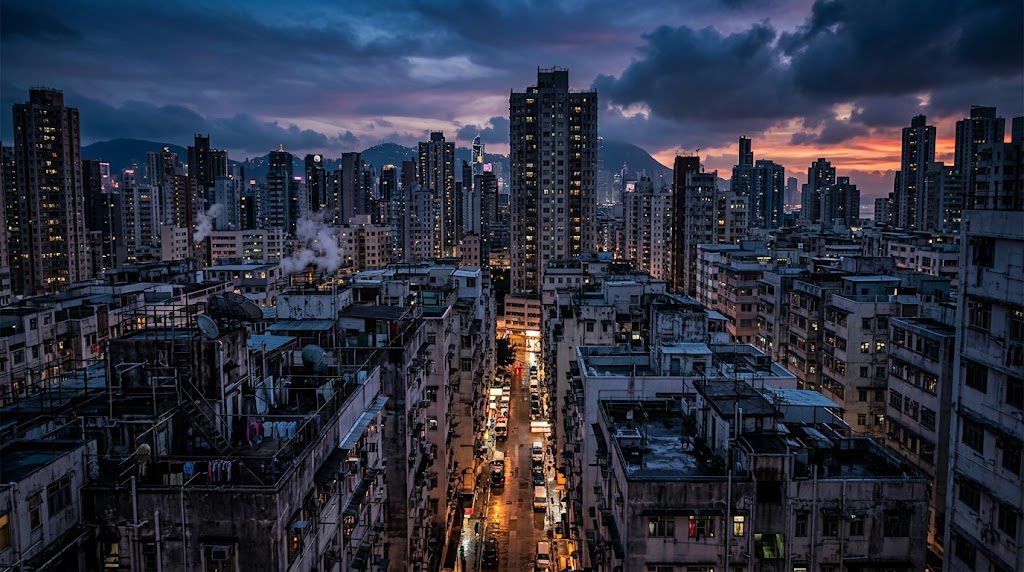
Global travel broadens horizons, connects cultures, and introduces adventurers to breathtaking landscapes. Yet, while most international journeys offer enriching experiences, certain urban centers present severe safety challenges that demand careful consideration. High rates of violent crime, civil unrest, cartel conflicts, and infrastructure vulnerabilities mean that visiting these locations requires extreme caution—or avoiding them altogether.
Understanding why certain metropolitan areas rank among the most dangerous cities in the world involves looking at socioeconomic instability, organized crime syndicates, and local governance struggles. Consulting official advisory resources before planning any international itinerary is essential for personal security. Examining these eight cities reveals the complex safety realities facing modern global travelers.
1. Caracas, Venezuela
Caracas has consistently ranked among the most dangerous cities in the world due to severe political instability, economic collapse, and extreme rates of violent crime. Armed robbery, kidnapping, and gang violence pose constant threats to both residents and the rare foreign visitors who venture into the capital.
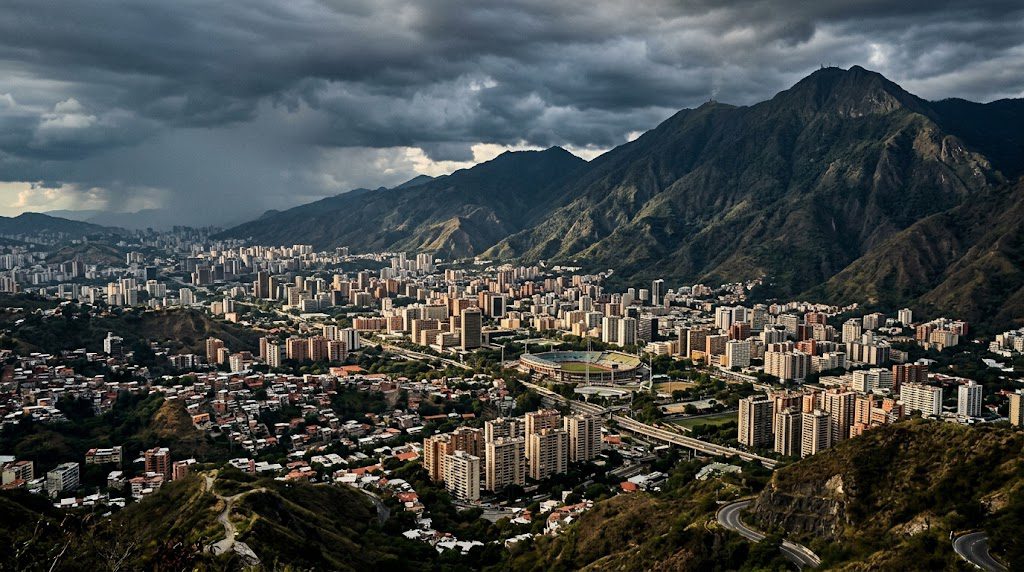
Government infrastructure struggles to maintain basic public safety, leaving law enforcement heavily strained. The United States Department of State maintains a strict Level 4: Do Not Travel advisory for Venezuela, highlighting the pervasive risks of wrongful detention, violent crime, and civil unrest. Travelers are strongly advised to bypass the region entirely.
2. Tijuana, Mexico
Situated directly across the border from California, Tijuana serves as a major international transit hub while simultaneously grappling with intense cartel-related violence. Territorial disputes between rival drug trafficking organizations have historically driven high homicide rates within specific neighborhoods.
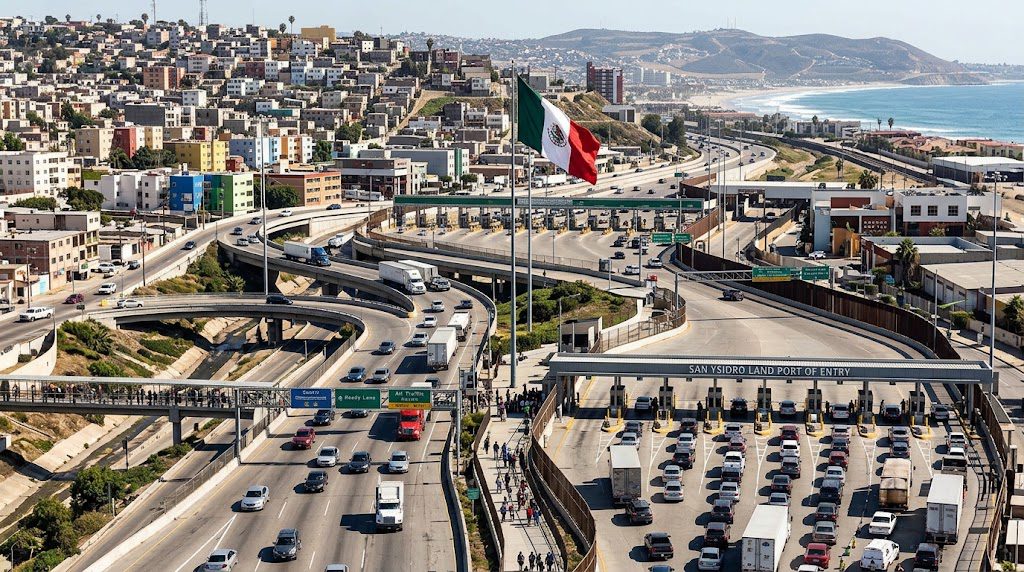
While the bustling tourist zones near the border and coastal areas see heavy foot traffic, travelers wandering off main paths face substantial risks. Government travel warnings emphasize exercising heightened situational awareness across Baja California due to criminal activity and kidnapping threats.
3. Port-au-Prince, Haiti
Port-au-Prince faces an unprecedented humanitarian and security crisis characterized by widespread gang control, civil unrest, and the breakdown of public governance. Armed groups control vast portions of the metropolitan area, leading to severe disruptions in daily life, commerce, and healthcare services.
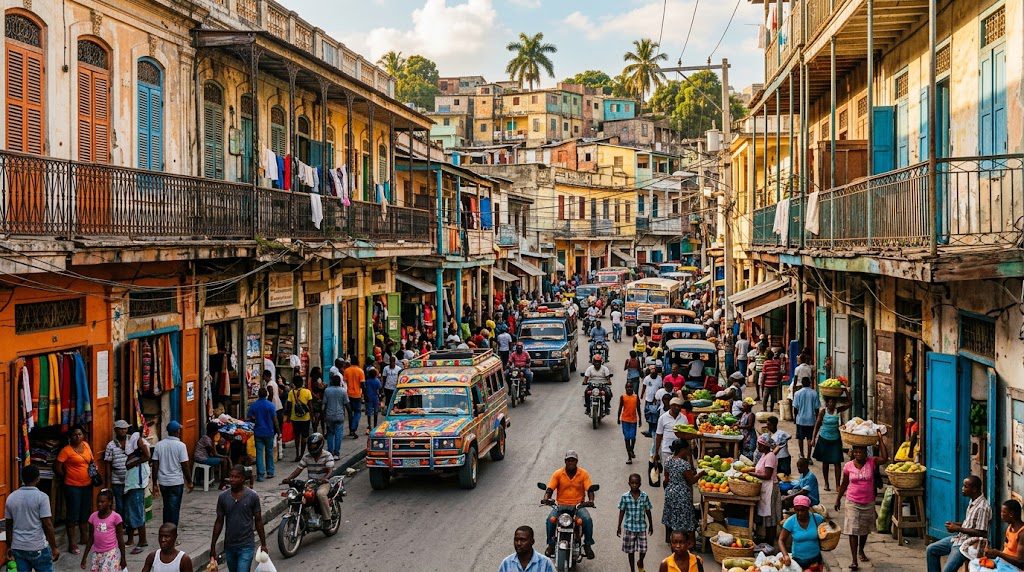
International diplomatic missions and security organizations maintain strict travel bans for Haiti. The ongoing instability makes independent travel virtually impossible and extremely perilous for anyone attempting to enter the capital.
4. Cape Town, South Africa
Cape Town captivates millions with its majestic mountain backdrops and world-class coastal scenery, yet it also struggles with stark socioeconomic disparities. High rates of violent crime, localized gang warfare, and armed robberies affect specific townships and peripheral neighborhoods.
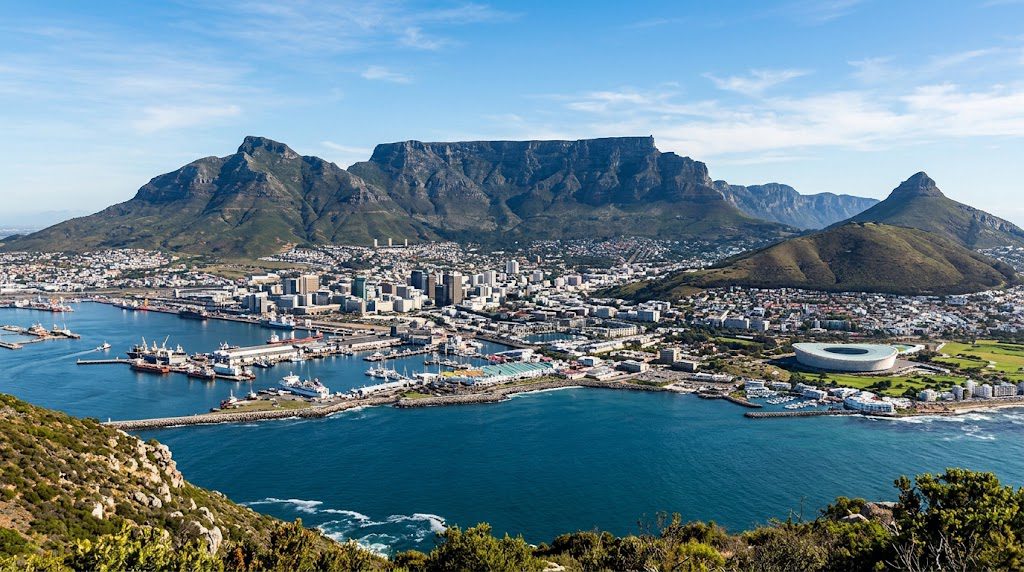
While major tourist hubs like the Waterfront and Table Mountain maintain robust security presence, visitors must exercise constant caution. Understanding local neighborhood safety boundaries and avoiding isolated areas after dark is critical for a secure visit.
5. Acapulco, Mexico
Once a glamorous coastal paradise for international celebrities, Acapulco has experienced a profound shift in security dynamics over recent years. Intense competition between fragmented criminal groups has severely impacted local stability and public safety.
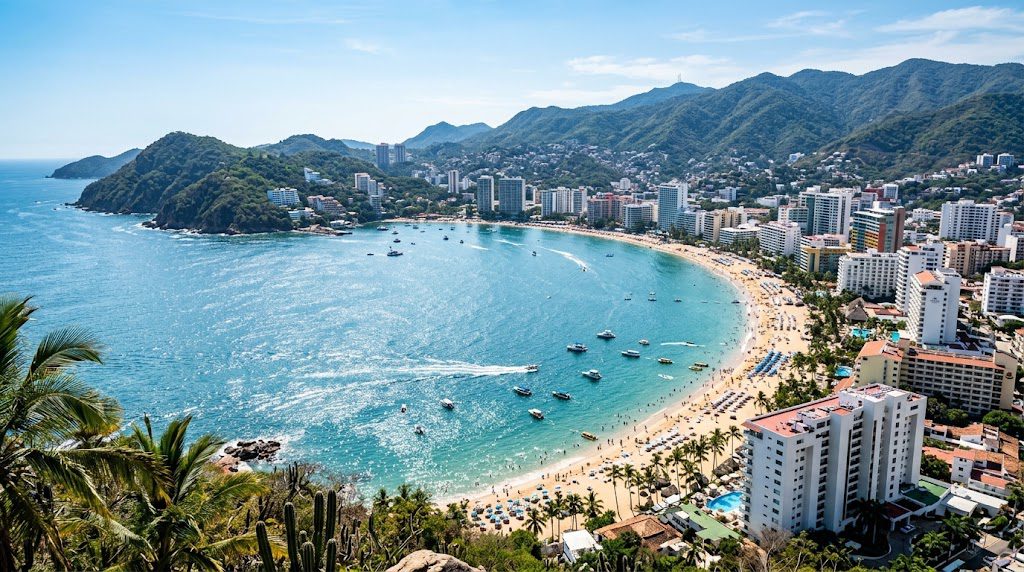
While resort areas strive to protect hospitality zones, the surrounding municipality deals with elevated crime statistics. Travelers drawn to Mexico’s Pacific coast often choose alternative destinations with more consistent safety profiles.
6. San Pedro Sula, Honduras
San Pedro Sula has historically navigated significant challenges linked to narcotics trafficking and gang-related territorial disputes. Although regional security initiatives and community programs have driven localized improvements, the city remains a high-risk zone for travelers.
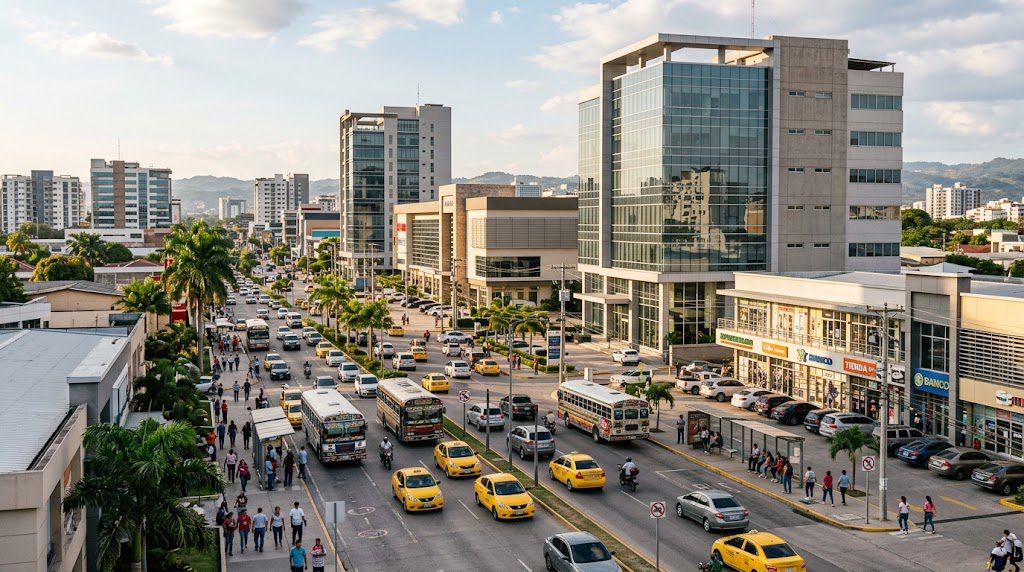
Navigating industrial transit hubs requires vigilance, secure transportation arrangements, and an acute awareness of surroundings. Most international itineraries bypass the city in favor of Honduras’s safer Caribbean islands and Mayan archaeological sites.
7. Rio de Janeiro, Brazil
Rio de Janeiro enlivens the global imagination with its iconic beaches, carnival celebrations, and towering landmarks. However, the city’s complex geography includes sprawling hillside communities known as favelas where armed factions frequently clash with law enforcement.
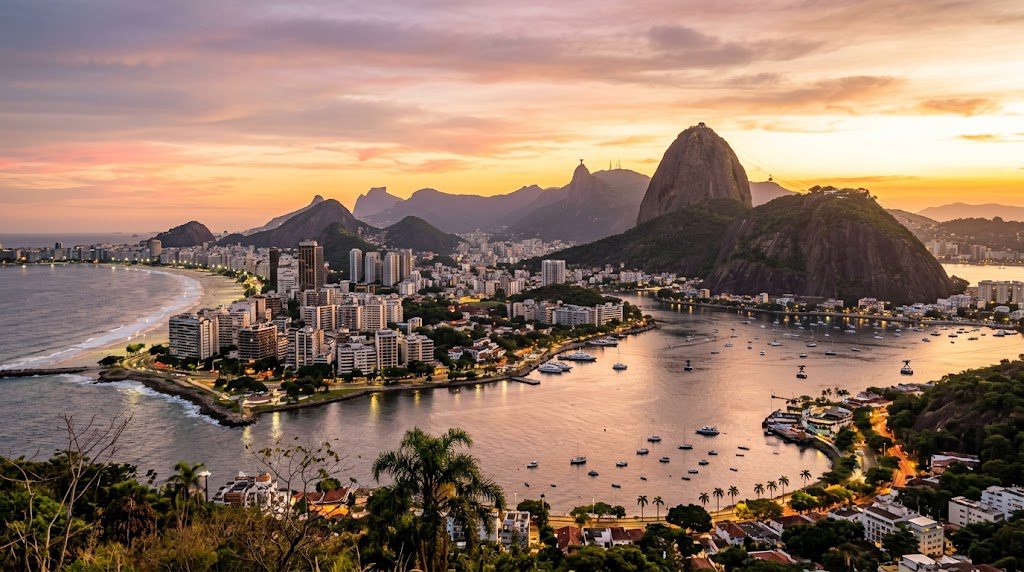
Street crime, opportunistic theft, and armed robbery remain prevalent across various urban beaches and transit centers. Maintaining a low profile, avoiding expensive jewelry, and utilizing secure transport options are essential precautions for anyone exploring the city.
8. Durban, South Africa
Durban rounds out major urban safety considerations with high rates of property crime and localized violence. While its warm Indian Ocean waters and cultural diversity attract regional visitors, municipal safety concerns require careful planning.
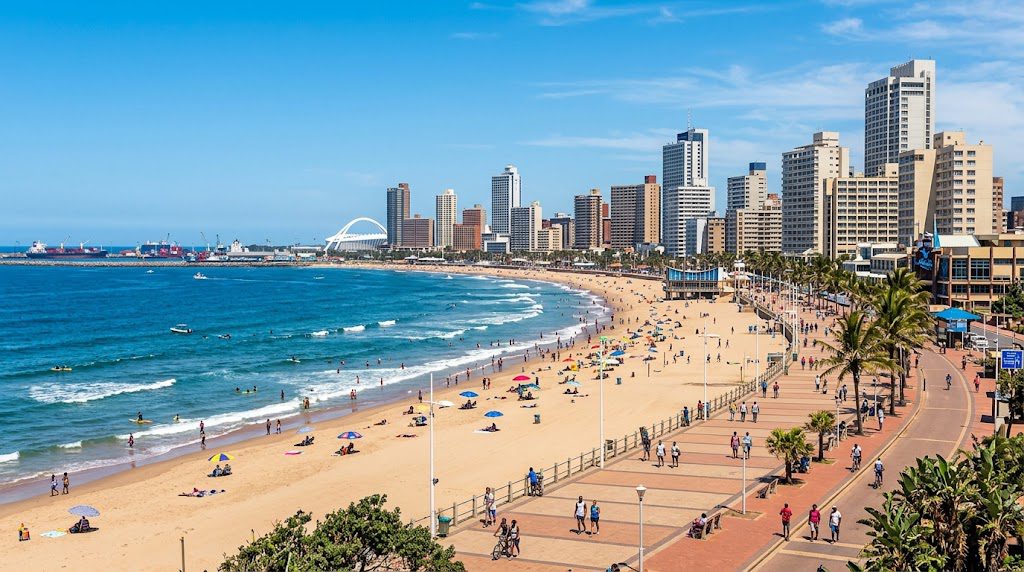
Travelers must remain vigilant against opportunistic crimes in commercial districts and transit terminals. Staying informed through local security updates ensures a safer engagement with the city’s coastal offerings.
Frequently Asked Questions
Why do certain cities experience such extreme levels of violent crime?
Extreme urban violence is typically driven by a combination of socioeconomic inequality, powerful organized crime syndicates, drug trafficking routes, and institutional governance challenges.
How can travelers check safety advisories before an international trip?
Travelers should consult official government resources such as the U.S. Department of State Travel Advisories website for up-to-date security assessments and country risk levels.
Are tourist areas in dangerous cities generally safe?
While tourist zones often benefit from enhanced security measures and heavy police presence, unexpected security incidents can still occur, making constant situational awareness essential.
What precautions should I take when visiting high-risk destinations?
Precautions include registering with embassy travel programs, using pre-arranged private transport, avoiding walking after dark, and keeping emergency contact numbers accessible.
Can economic development improve a city’s safety profile over time?
Yes, sustained economic investment, effective law enforcement reform, and community-based social programs can gradually reduce crime rates and improve urban stability.
Is travel insurance necessary for visiting high-risk regions?
Comprehensive travel insurance covering emergency medical evacuation, trip interruption, and security extraction is strongly recommended for international travel.