


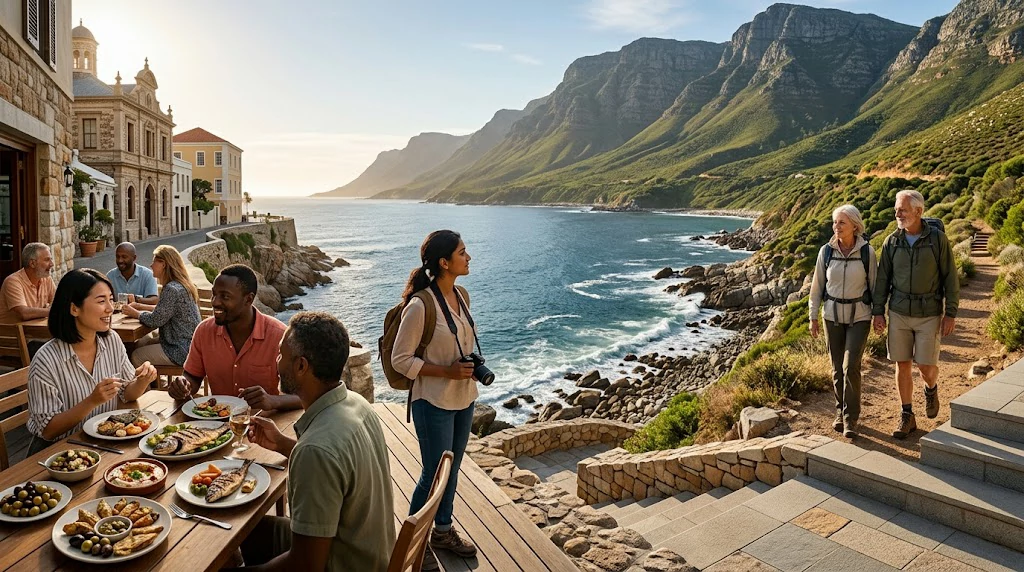
People are not simply looking for the cheapest flight or the most famous tourist attraction anymore. Travelers are increasingly interested in meaningful experiences, flexible itineraries, local food, wellness, technology and destinations that feel different from the usual tourist routes.
Search behavior also reflects that shift. Google says searches for solo travel have reached an all-time high, while searches for AI travel assistants and AI concierge services have grown significantly. Google Travel Trends 2026
From solo adventures to slow travel and AI-powered trip planning, these are some of the biggest travel trends 2026 that could shape how people explore the world this year.
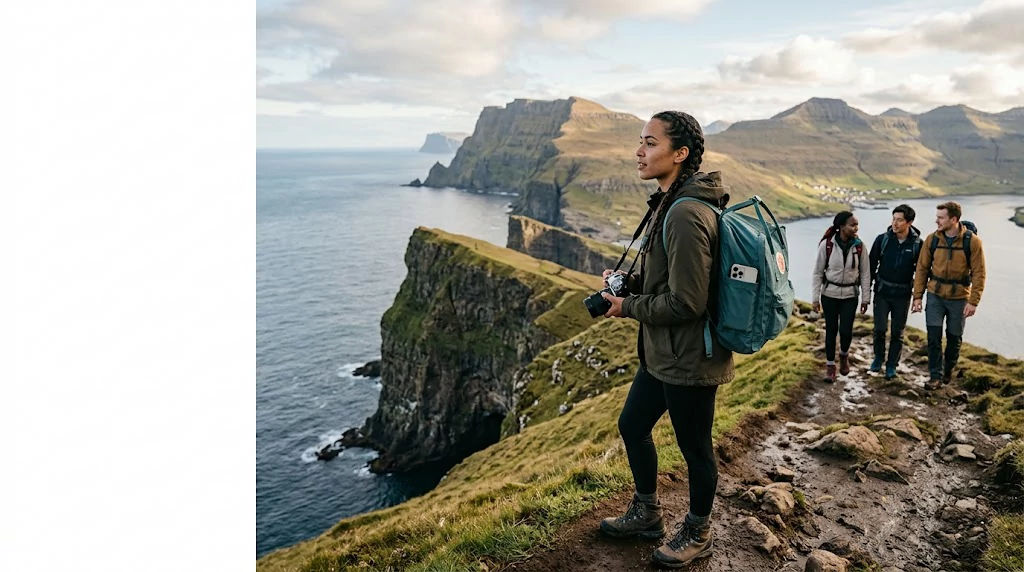
1. Solo Travel Is Becoming More Popular
Solo travel is no longer limited to a small group of adventurous travelers.
More people are choosing to travel alone because it gives them greater control over their schedules. Instead of coordinating flights, hotels and activities with several people, solo travelers can build trips around their own interests.
A solo trip might mean spending several days exploring Tokyo, taking a train through Europe, hiking in South America or simply relaxing at a beach destination.
The appeal is flexibility.
Travelers can wake up when they want, change their plans and spend more time in places they genuinely enjoy.
Google’s 2026 travel trends report says interest in solo travel has reached an all-time high. Google Travel Trends
That makes solo travel one of the most important trends to watch this year.
2. Slow Travel Is Changing the Way People Explore
For years, travelers often tried to visit as many places as possible during a short vacation.
Now, the opposite approach is becoming increasingly attractive.
Slow travel focuses on spending more time in fewer places.
Instead of visiting five cities in seven days, a traveler might choose one city and explore its neighborhoods, restaurants, markets and surrounding areas.
This approach can also reduce the stress of constantly moving between hotels, airports and train stations.
It gives travelers more opportunities to experience everyday life instead of only seeing major tourist attractions.
Google reported that searches for slow travel reached an all-time high in its 2026 travel trends report. Google Travel Trends 2026
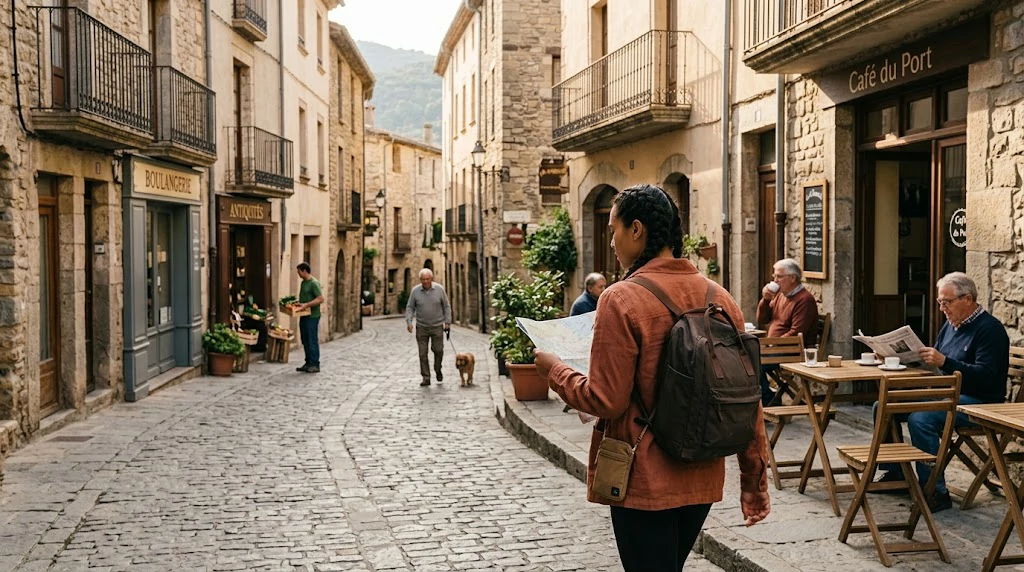
3. AI Is Becoming Part of Travel Planning
One of the biggest changes in travel is happening before travelers even leave home.
Artificial intelligence is becoming a planning tool.
Instead of opening dozens of websites, travelers can increasingly use AI tools to research destinations, create itineraries, compare activities and organize ideas.
Google says searches for terms such as “AI travel assistant” and “AI concierge” have increased sharply, with related search interest growing 350% year over year. Google Travel Trends 2026
AI does not replace the need to verify important travel information. Flight schedules, visa requirements, entry rules, hotel policies and local regulations should still be checked with official sources.
But for brainstorming and organizing a trip, AI is becoming another tool in the traveler’s toolkit.
4. Travelers Are Looking Beyond the Most Famous Destinations
Paris, New York, Rome, Dubai and Tokyo remain major international destinations.
But travelers are also searching for alternatives.
Some visitors want smaller cities, quieter coastal areas and destinations that offer a different experience from the world’s most crowded tourist hotspots.
This does not necessarily mean avoiding famous destinations completely.
Instead, travelers may combine a major city with smaller towns or less-visited regions nearby.
For example, a trip to Spain could include Barcelona or Madrid alongside smaller cities and coastal communities. A European trip could combine a famous capital with a less crowded regional destination.
This trend is partly about discovery.
Travelers want stories that feel personal rather than simply checking famous attractions off a list.
5. Shoulder-Season Travel Is Getting More Attention
Summer remains one of the busiest periods for international tourism.
However, travelers are increasingly considering the months between peak and off-season.
These periods are often known as shoulder seasons.
Depending on the destination, traveling during spring or autumn can provide different weather, smaller crowds and potentially more flexible accommodation options.
It can also create a completely different experience.
A European city in October, for example, can feel very different from the same city during the busiest weeks of summer.
Travelers should always check local weather patterns because shoulder-season conditions vary significantly from country to country.

6. Active Vacations Are Becoming a Bigger Travel Category
Not everyone wants a vacation built around a hotel pool.
Active travel is becoming an increasingly visible part of the tourism industry.
That includes hiking trips, cycling holidays, surfing vacations, skiing, running trips and other experiences where physical activity is part of the journey.
Running vacations, sometimes called “runcations,” are one example.
Travelers can combine sightseeing with organized races or running routes while exploring a new destination.
European travel coverage has highlighted growing interest in running holidays and destinations built around active experiences. Euronews Travel — Running Holidays
The concept is simple: the activity becomes part of the reason for traveling.
7. Food Is Becoming a Travel Destination in Itself
Food has always been part of tourism.
But in 2026, food experiences continue to play an important role in how travelers choose where to go.
People travel for street food, restaurants, markets, cooking classes, regional specialties and food festivals.
A destination can become memorable because of one meal, one market or one local dish.
This is especially interesting for travelers who want experiences that connect them with local culture.
Instead of simply photographing a landmark, travelers can explore a neighborhood market, learn how a traditional dish is prepared or visit local producers.
For many travelers, the question is no longer just:
“Where should I go?”
It is also:
“What can I eat there?”
8. Night-Sky Travel Is Creating New Types of Adventures
Travel does not always have to happen during the day.
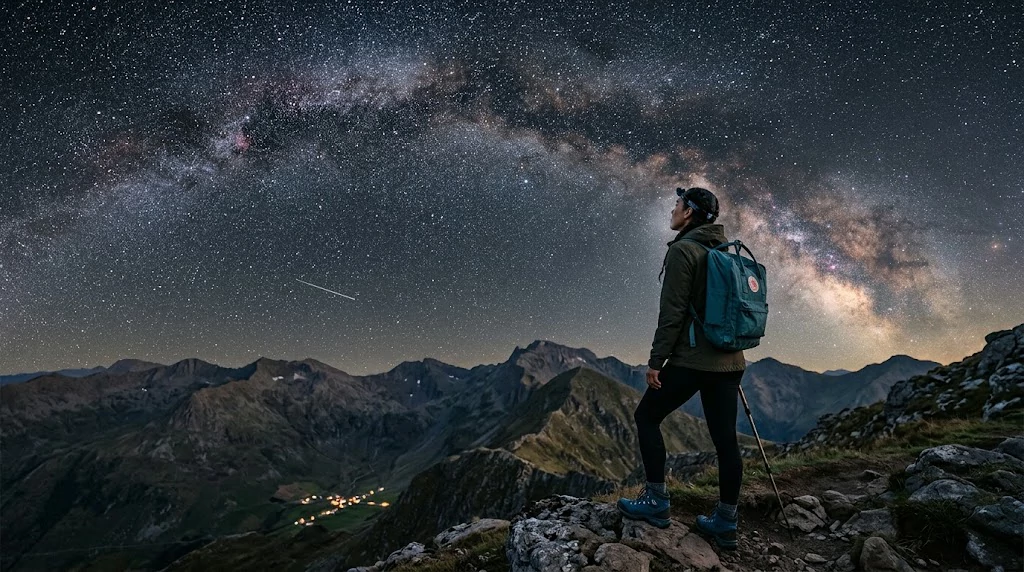
Dark-sky tourism is attracting travelers interested in astronomy, stargazing and natural night landscapes.
The idea is particularly appealing in areas far from major cities, where artificial light is limited.
Travelers may plan trips around meteor showers, astronomical events or simply the opportunity to see a clear night sky.
This type of travel also connects tourism with nature.
Instead of spending an evening inside a busy entertainment district, visitors can experience deserts, mountains, islands and rural landscapes after dark.
9. Longer Stays Can Replace Fast Itineraries
Another major shift is the idea of staying longer in one location.
Remote work, flexible schedules and changing travel habits have made longer stays more accessible for some travelers.
Rather than spending two nights in one city and immediately moving somewhere else, travelers may choose one base for a week or more.
This can reduce transportation time and make the trip feel less rushed.
It can also allow travelers to explore beyond the main tourist areas.
A longer stay gives visitors time to discover local cafés, supermarkets, parks, neighborhoods and day-trip destinations.
This is closely connected to slow travel.
The goal is not necessarily to see everything.
The goal is to experience more of one place.
10. Experience-First Travel Is Becoming More Important
Perhaps the biggest theme behind the travel trends 2026 is the move toward experiences.
Travelers are increasingly looking for something they can remember after returning home.
That could be hiking in the mountains, learning to cook a regional dish, attending a local festival, watching the stars in a remote landscape or spending a week exploring one city.
The hotel and flight still matter.
But they are increasingly part of a larger experience.
This shift is also creating opportunities for smaller destinations and local businesses that can offer unique activities.
What These Travel Trends Mean for Travelers
The biggest travel trends of 2026 are not about one specific destination.
They are about how people travel.
Solo travel offers independence.
Slow travel offers more time.
AI offers new planning tools.
Active travel combines tourism with physical experiences.
Food travel connects visitors with local culture.
Dark-sky tourism creates new ways to experience nature.
And longer stays can make international trips feel less rushed.
At the same time, travelers should remember that trends are not universal rules.
What works for one traveler may not work for another.
Budget, age, available vacation time, visa requirements, accessibility, weather and personal interests all influence travel decisions.
The best approach is to use these trends as ideas rather than strict formulas.
How to Plan a 2026 Trip Around These Trends
You do not need to follow every trend.
Instead, choose one or two that fit your travel style.
If you like independence, consider a solo trip.
If you hate rushing between cities, try slow travel.
If planning is stressful, use AI to brainstorm an itinerary, then verify important details through official travel and tourism websites.
If you enjoy sports, consider an active vacation.
If food is your favorite part of traveling, choose a destination based on its cuisine.
And if you want something completely different, consider a destination known for dark skies, nature or smaller communities.
Travel trends can provide inspiration, but the final trip should fit your own priorities.
The Future of Travel Is More Personal
The travel industry continues to evolve, but one thing is becoming clear: travelers have more choices than ever.
Technology is changing how people plan trips.
Changing preferences are influencing where people go.
And new forms of travel are making the journey itself part of the experience.
From solo adventures to AI-assisted planning, travel trends 2026 show a world where travelers are increasingly looking for flexibility, discovery and experiences that feel personal.
For more ideas about food and lifestyle while traveling, explore QayQay’s guides to healthy foods for a healthier diet and high-protein breakfast ideas.
The world is still full of places to discover.
The difference is that in 2026, travelers have more ways to decide how they want to experience them.
Sources
- Google Travel Trends 2026
- Euronews Travel — Running Holidays
- World Economic Forum — Travel & Tourism Development Index 2026