



For decades, organizing a dream vacation meant juggling dozens of open browser tabs. Travelers bounced between flight aggregators, hotel review forums, physical guidebooks, and chaotic spreadsheet trackers trying to align schedules, budgets, and personal preferences. The entire process often felt exhausting before the traveler even packed a single bag.
That fragmented routine is vanishing fast. Today, a digital shift is redefining how vacations are built, organized, and experienced. Understanding how AI is changing the way people plan their trips reveals a massive evolution from manual information hunting to hyper-personalized, conversational itinerary curation.
1. Moving Beyond Endless Tab Switching: The Conversational Itinerary
Traditional travel planning required users to hunt down individual pieces of a puzzle. You searched for flights on one site, hotels on another, and local attractions on a third, hoping everything fit together logically.
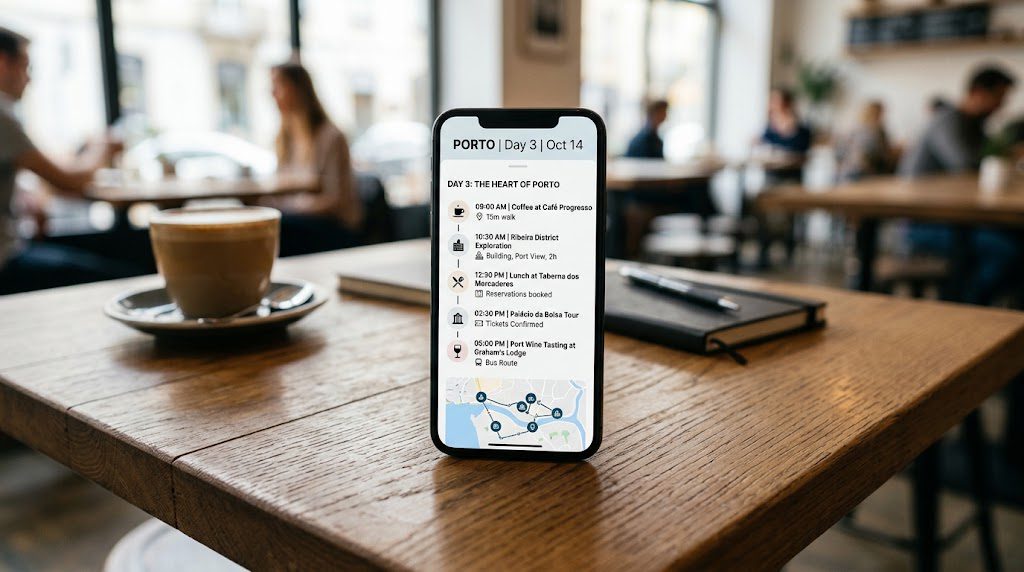
Artificial intelligence changes this by centralizing the conversation. Instead of sorting through static search engine result pages, modern travelers converse with intelligent assistants. You can type a prompt specifying exact budgets, dietary restrictions, preferred pacing, and unique interests. Within seconds, an entire multi-day itinerary materializes. According to travel industry insights published by the U.S. Travel Association, digital innovation and automated tools are fundamentally streamlining how consumers approach travel logistics.
- Single-Prompt Synthesis: Combining lodging, transportation, and daily scheduling into one coherent plan instantly.
- Contextual Adjustments: Asking the system to modify an afternoon activity because of rain or fatigue without rebuilding the entire schedule.
- Natural Language Processing: Communicating preferences as if talking to a professional human concierge.
2. Hyper-Personalization and Niche Interest Matching
Every traveler is unique, yet traditional booking platforms often push generic top-ten tourist lists. AI models excel at processing granular details to curate hyper-personalized experiences tailored to specialized hobbies, accessibility needs, or obscure cultural interests.

Whether you want to find independent vintage bookstores in Kyoto, vegan bakeries with outdoor seating in Barcelona, or quiet hiking trails near Denver suitable for a senior dog, intelligent algorithms scan global data pools to find exact matches.
- Micro-Preferences: Factoring in specific architectural styles, culinary restrictions, or transit preferences seamlessly.
- Dynamic Recommendations: Suggesting hidden gems that lack massive marketing budgets but match user taste profiles.
- Pacing Customization: Designing relaxed itineraries with built-in downtime or high-energy packed schedules based on personal travel style.
3. Real-Time Logistics Management and Dynamic Re-Routing
Travel is inherently unpredictable. Flights get delayed, trains get canceled, and sudden weather anomalies can derail a meticulously planned afternoon. Historically, managing these crises required long hold times with customer service hotlines or frantic re-searching under pressure.

Modern travel platforms powered by machine learning monitor conditions in real time. If a museum tour is canceled or a transit strike halts metro lines, integrated AI systems can proactively suggest alternative routes or book backup reservations before the traveler even panics.
- Proactive Alerts: Detecting disruptions before they cause major delays at terminals or stations.
- Instant Re-Routing: Calculating alternative transit paths and updating calendar appointments automatically.
- Crisis Assistance: Providing immediate emergency translation, local embassy details, or medical facility options when abroad.
4. Smart Budgeting and Price Prediction Optimization
Finding the best value for flights and accommodations used to require checking prices multiple times a day across weeks. Even then, uncertainty often led travelers to overpay out of fear that prices would rise further.

Predictive analytics and machine learning models analyze historical pricing trends, seasonal demand, and economic variables to forecast optimal booking windows. Travelers now receive data-backed guidance on whether to book immediately or wait for a projected price drop.
- Trend Forecasting: Estimating future airline ticket fluctuations with high statistical probability.
- Dynamic Budget Matching: Automatically adjusting hotel tiers or dining recommendations to stay strictly within a pre-set financial limit.
- Hidden Fee Detection: Scanning fine print to highlight resort fees, baggage charges, and transit taxes upfront.
5. Overcoming Language Barriers and Cultural Friction
Navigating a foreign country where you do not speak the local language introduces significant anxiety. While translation apps have existed for years, generative models have elevated cross-cultural communication to an entirely new level.

Travelers can now engage in natural, real-time voice translation, decode complex regional menus from a smartphone camera, and receive instant cultural etiquette tips tailored to specific neighborhoods. This reduces social friction and encourages deeper exploration.
- Real-Time Voice Translation: Converting spoken foreign dialogue into natural English instantly during local interactions.
- Menu and Sign Decoding: Translating handwritten or stylized local signage via computer vision.
- Cultural Context Briefings: Providing immediate background on local customs, tipping habits, and social norms.
6. Privacy, Over-Reliance, and the Human Element
Despite the undeniable convenience of automated travel planning, the technology comes with valid caveats. Relying entirely on algorithmic recommendations can sometimes trap travelers in homogeneous digital echo chambers, steering everyone toward the exact same viral hotspots.

Furthermore, sharing granular personal schedules, location data, and financial preferences with digital platforms requires careful attention to privacy settings and data security.
- Algorithmic Homogenization: Avoiding generic tourist traps by intentionally seeking out authentic human recommendations.
- Data Privacy Awareness: Understanding how travel platforms store and utilize personal location and booking history.
- Balancing Tech and Spontaneity: Leaving room for unplanned discoveries that make travel memorable.
Frequently Asked Questions
How do AI tools change the traditional travel planning process?
Instead of browsing dozens of separate tabs for flights, hotels, and activities, AI tools allow travelers to generate complete, customized itineraries instantly through conversational prompts.
Can artificial intelligence book actual flights and hotels for me?
Many modern platforms integrate directly with booking APIs, allowing users to move seamlessly from itinerary planning to secure checkout and reservations.
How accurate are AI price predictions for airline tickets?
While no forecast is infallible, machine learning models analyze vast historical pricing data to provide reliable recommendations on whether to buy now or wait.
Do AI travel planners account for specific dietary or accessibility needs?
Yes. Travelers can input precise requirements—such as wheelchair accessibility, severe food allergies, or vegan dining—to filter out unsuitable options.
What happens if my travel plans are disrupted unexpectedly?
Real-time travel agents monitor conditions continuously, offering instant re-routing options, alternative bookings, and schedule adjustments when delays occur.
Will automated travel planners completely replace human travel agents?
While automated tools handle routine itineraries brilliantly, human agents remain invaluable for highly complex group travel, bespoke luxury trips, and VIP crisis management.