


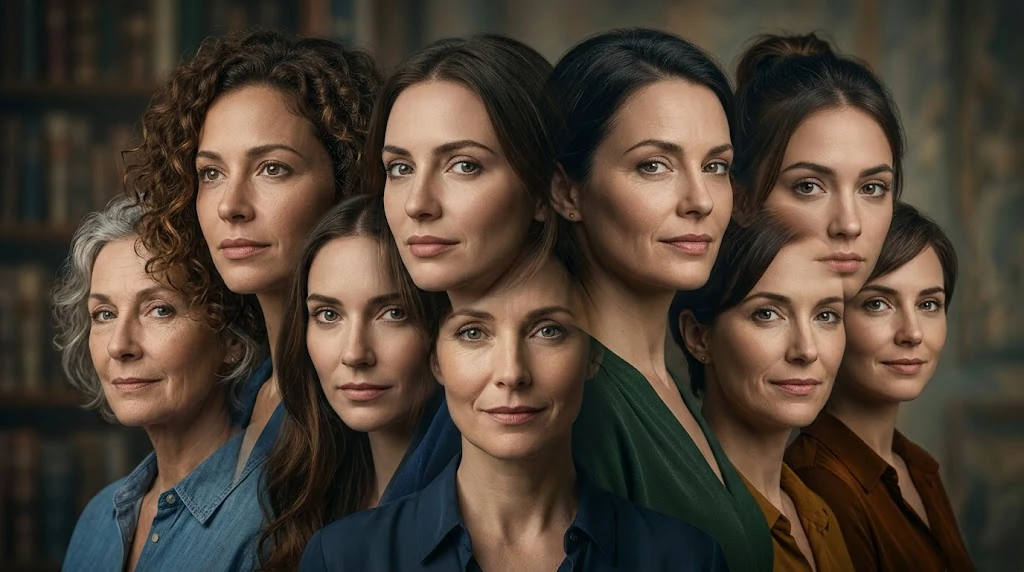
A visual personality test is a fun way to explore how your brain interprets images and why different people notice different details first. These viral image challenges invite viewers to look at a picture and identify the first person, shape, or feature that catches their attention.
Millions of people enjoy these tests because they create a simple but interesting question: Why did I notice that first?
However, it is important to understand that these challenges are mainly designed for entertainment. A single image cannot scientifically reveal your complete personality, character, or future behavior.
Instead, these visual puzzles show something fascinating about human perception. The same picture can create different reactions because every brain processes information differently.
In this article, we explore why these tests become viral, how visual attention works, and what your first impression might say about the way you interact with images.
Why Are Visual Personality Tests So Popular?
Visual quizzes have existed for many years, but social media has transformed them into highly shareable experiences.
A simple image can receive thousands of comments because people naturally want to compare their answers with others.
For example, one person may immediately notice a smiling face, while another may focus on a hidden shape or background detail.
This difference creates curiosity.
Moreover, these tests require almost no effort. Unlike long questionnaires, a visual challenge can be completed in seconds.
The viewer simply looks, reacts, and shares the result.
That quick interaction explains why visual puzzles perform well on platforms such as Facebook, Pinterest, Instagram, and TikTok.
How Does Your Brain Decide What You Notice First?
When you look at an image, your brain does not process every detail equally.
The National Eye Institute explains how vision works and how the eyes and brain work together to process visual information.
Instead, it selects information based on several factors:
- contrast
- colors
- facial expressions
- familiar patterns
- emotional signals
- previous experiences
- expectations
For example, humans are naturally attracted to faces because recognizing people and emotions is an important survival skill.
A face with a strong expression may capture attention faster than a simple object in the background.
On the other hand, someone with a design-focused mind may notice colors, shapes, or composition before anything else.
Therefore, two people can look at the same image and honestly describe completely different first impressions.
What Does the Woman You Notice First Mean?
Many viral visual personality tests suggest that the first woman you see reveals something about your personality.
Some versions claim:
- one face represents creativity
- another represents confidence
- another represents emotional sensitivity
- another represents logical thinking
These descriptions can be entertaining, but they should not be considered scientific personality measurements.
A single image cannot determine whether someone is:
- introverted or extroverted
- creative or analytical
- emotional or logical
- successful or unsuccessful
Real personality is much more complex.
It develops through many factors, including:
- life experiences
- personal values
- relationships
- habits
- environment
- decisions
Still, these quizzes can encourage self-reflection.
A more useful question is not:
“Does this image reveal my personality?”
Instead, ask:
“Why did my brain notice this detail first?”
That question connects the test to a real aspect of psychology: perception.
The Science Behind First Impressions
A visual personality test is not a psychological diagnosis, but the process behind it is connected to real research about visual attention.
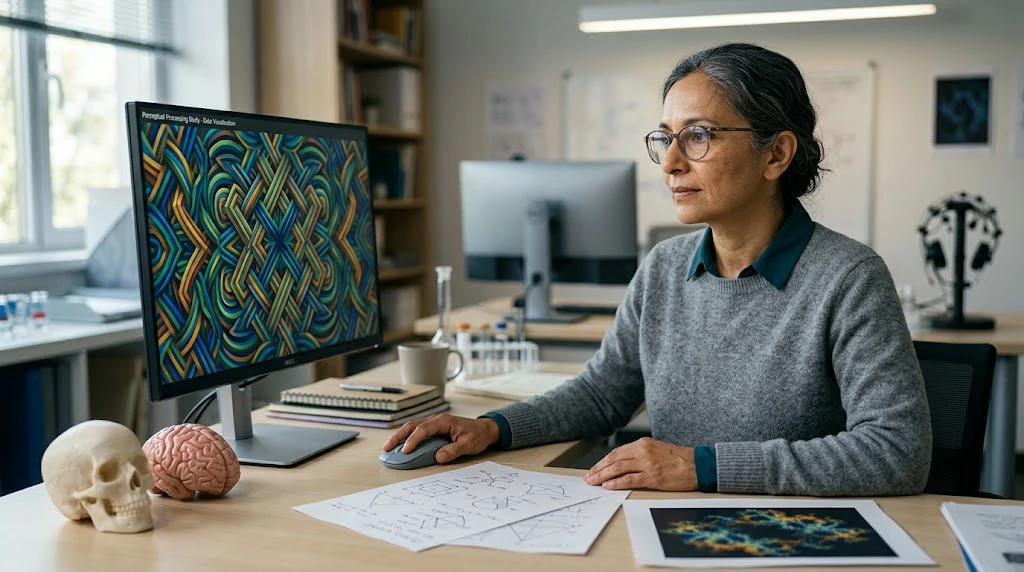
Research in cognitive psychology explores how people process information, pay attention, and interpret what they see. The American Psychological Association provides resources about psychological science and human behavior.
Scientists study how people:
- recognize faces
- focus on important information
- interpret images
- react to emotional signals
The brain constantly filters thousands of visual details.
Every moment, it decides:
- what deserves attention
- what can be ignored
- what seems important
For example, when walking through a crowded place, your brain quickly identifies faces, movement, and possible threats.
This ability helps humans navigate complex environments.
For more information, read our guide to [What Your Foot Shape May Reveal About Your Personality].
[INTERNAL LINK: https://qayqay.com/foot-shape-personality/]
Why Do These Tests Feel So Accurate?
One reason viral visual quizzes feel surprisingly personal is because humans naturally look for meaning and patterns.
A common psychological concept connected to this experience is the Barnum effect. This describes the tendency to accept broad statements as personally meaningful, especially when those statements sound positive or relatable.
For example, a quiz may say:
“You are someone who cares deeply about others but sometimes keeps your feelings hidden.”
Many people may feel connected to this statement because it describes experiences shared by a large number of people.
Therefore, when a visual personality test gives a result, the feeling of accuracy may come from the interpretation itself rather than the image revealing hidden facts about your personality.
This does not make the experience useless. It simply means the test should be enjoyed as a reflection activity rather than a scientific evaluation.
Why Do Different People See Different Things?
The same image can create different reactions because perception is an active process.
Your brain combines the information coming from your eyes with:
- memories
- emotions
- expectations
- previous experiences
- personal interests
For example, someone interested in fashion may immediately notice clothing details.
Meanwhile, someone interested in emotions may focus on facial expressions.
A photographer may notice lighting and composition before noticing the people in the image.
As a result, the first thing you see can depend on what your brain considers important at that moment.
Can a Visual Test Really Reveal Your Personality?
The honest answer is: not completely.
A viral image cannot accurately measure your personality.
Professional personality assessments use carefully designed questions and scientific methods. They are tested with large groups of people to check reliability.
Scientific personality research uses structured methods and validated approaches rather than simple online image quizzes. The American Psychological Association provides information about psychological assessment and research.
https://www.apa.org/topics/psychological-testing-assessment
A visual challenge works differently.
It creates curiosity by connecting an image choice with a possible personality description.
So, the best way to view these tests is:
✅ A fun challenge
✅ A conversation starter
✅ A way to think about perception
But not:
❌ A psychological diagnosis
❌ A scientific personality measurement
❌ A prediction of your future
The Connection Between Vision and Memory
Your brain does not simply record everything you see like a camera.
Instead, it creates an interpretation.
When you look at a complex picture, your brain tries to organize information quickly.
It asks:
- What is important?
- What looks familiar?
- What should I focus on?
- What matches my expectations?
This process allows humans to understand the world efficiently.
However, it also explains why two people can have different interpretations of the same image.

How to Enjoy Personality Image Tests the Right Way
A good approach is to treat these challenges as an opportunity for curiosity.
Instead of asking:
“Is this result exactly who I am?”
Try asking:
“Why did this part of the image attract my attention?”
This small change creates a more meaningful experience.
You can also compare answers with friends and family.
Sometimes the most interesting part is not the result itself, but discovering how differently people interpret the same visual information.
Moreover, these discussions can reveal differences in:
- attention
- preferences
- imagination
- observation style
Why Social Media Loves These Visual Challenges
Platforms reward content that creates interaction.
A visual personality test naturally encourages comments because everyone wants to share their result.
Typical reactions include:
- “I saw the woman in the middle.”
- “My friend saw something completely different.”
- “This is exactly like me.”
The emotional response is what makes these images spread.
They are simple enough for anyone to understand and interesting enough to create discussion.
That combination makes them ideal for social media.
For more information, read our guide to [What Your Shower Habits Say About Your Personality].
[INTERNAL LINK: https://qayqay.com/shower-personality-test/]

Frequently Asked Questions About Visual Personality Tests
Is a visual personality test scientifically accurate?
Most viral visual personality tests are designed for entertainment. They can be interesting, but they are not scientifically validated personality assessments.
Can the woman I see first reveal my true personality?
No single image can reveal your complete personality. Your first impression may reflect attention patterns, preferences, or the way you process visual information at that moment.
Why do people see different things in the same image?
Because perception depends on attention, experience, expectations, and personal interpretation.
Are optical illusions the same as personality tests?
No. Optical illusions study how the brain interprets visual information, while personality tests require different scientific methods.
Why do these quizzes become viral?
They are quick, interactive, easy to share, and encourage people to compare their answers.
Can these tests help with self-reflection?
Yes. They can encourage curiosity about your attention and preferences, but they should not be treated as a complete description of who you are.
Final Thoughts
A visual personality test is an entertaining way to explore how differently people see and interpret the world.
The woman you notice first may reveal something interesting about your attention style, but it cannot define your entire personality.
The real value of these challenges is the curiosity they create. They remind us that two people can look at the same image and experience something completely different.
So enjoy the challenge, compare your answer with others, and have fun discovering how your brain sees the world.