


Eating healthier does not have to mean throwing away everything in your kitchen or following a strict diet.
Sometimes, the easiest way to improve your eating habits is to make one small switch at a time. Choose whole-grain bread instead of refined bread. Pick water instead of a sugary drink. Add fruit to yogurt instead of reaching for a sweet dessert. Use olive oil instead of butter when it makes sense.
These simple changes can help you eat more nutrient-dense foods while reducing your intake of added sugars, sodium, and saturated fat. The goal is not perfection. It is building an eating pattern that works in real life and that you can actually maintain.
Here are 15 simple food swaps that can make everyday meals and snacks a little more nutritious—without making them boring.
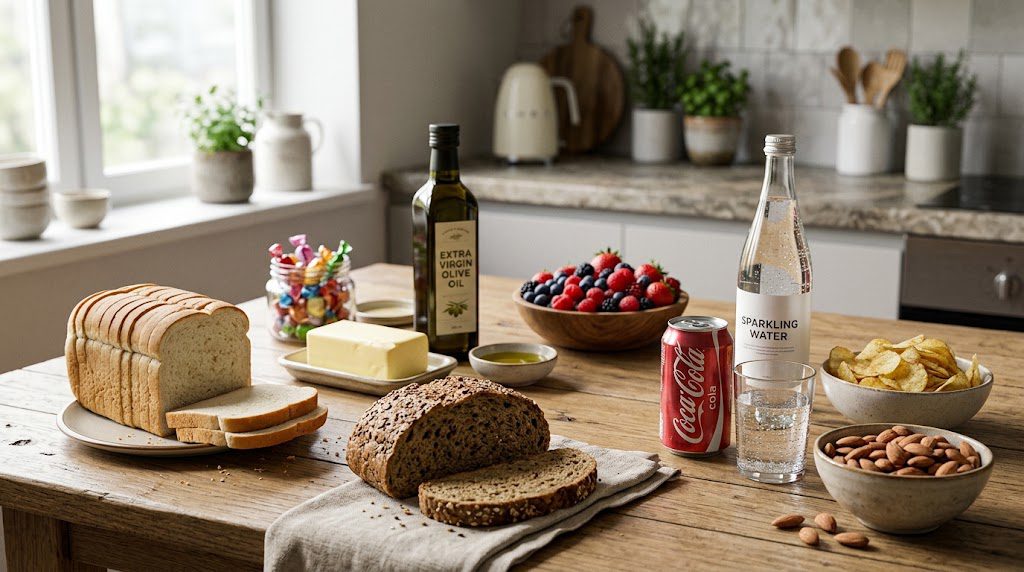
1. Swap White Bread for Whole-Grain Bread
White bread can be an easy staple, but switching to a whole-grain version is a simple way to add more fiber and nutrients to your diet.
When shopping, check the ingredient list and look for a whole grain listed as the first ingredient. Whole-grain bread can work in sandwiches, toast, breakfast recipes, or alongside soups and salads.
You do not have to change your favorite sandwich fillings. Just changing the bread can make the meal more nutrient-dense.
2. Swap Sugary Drinks for Water or Sparkling Water
Soda and other sugar-sweetened beverages can add a significant amount of added sugar without providing much nutritional value.
A simple alternative is plain or sparkling water. If plain water feels boring, add lemon, lime, cucumber, mint, or another fruit for flavor.
You can also gradually reduce the amount of sugar you add to tea or coffee. Your taste preferences can adjust over time.
The FDA notes that the Daily Value for added sugars is 50 grams per day on a 2,000-calorie diet, making sugary drinks an easy place to look when trying to reduce added sugar.
3. Swap Candy for Fresh Fruit
When you want something sweet, fruit can be an easy alternative to candy or other heavily sweetened snacks.
Try berries, apples, oranges, bananas, grapes, peaches, or whatever fruit you already enjoy.
Fruit provides naturally occurring sugars along with fiber and other nutrients. You can also combine fruit with plain yogurt or a small serving of unsalted nuts for a more satisfying snack.

4. Swap Potato Chips for Unsalted Nuts
Potato chips can be high in sodium and saturated fat depending on the product and preparation.
For a crunchy snack, try a small serving of unsalted or lightly salted nuts instead.
Almonds, walnuts, pistachios, and other nuts provide protein and unsaturated fats. Portion size still matters because nuts are energy-dense, but they can be a useful alternative to highly processed snack foods.
If you prefer something crunchy with fewer calories per bite, combine a small handful of nuts with fresh vegetables or fruit.
5. Swap Butter for Olive Oil When Cooking
Butter is not the only way to add richness to a meal.
For many cooking applications, olive oil or another non-tropical liquid vegetable oil can be a practical alternative. These oils are sources of unsaturated fats, which are generally preferred over saturated fats in heart-healthy eating patterns.
Try using olive oil when sautéing vegetables, making a vinaigrette, or roasting foods.
The key is not simply adding more oil—it is choosing a more favorable fat source when replacing one that is higher in saturated fat.
6. Swap Creamy Dressing for a Homemade Vinaigrette
Store-bought creamy dressings can sometimes contain substantial amounts of sodium, added sugar, or saturated fat.
A simple homemade vinaigrette can give salads plenty of flavor while allowing you to control the ingredients.
Try combining olive oil with vinegar or lemon juice, then add herbs, black pepper, garlic, or mustard.
Making your own dressing also makes it easier to adjust the flavor to your preference.

7. Swap Sweetened Yogurt for Plain Yogurt With Fruit
Flavored yogurt can look like a healthy snack, but some varieties contain significant amounts of added sugar.
Instead, start with plain yogurt and add your own fruit.
You can use berries, sliced banana, chopped apple, peaches, or other fruit. Add cinnamon or a small amount of unsweetened nuts for extra flavor and texture.
This simple swap gives you more control over how much added sugar ends up in your bowl.
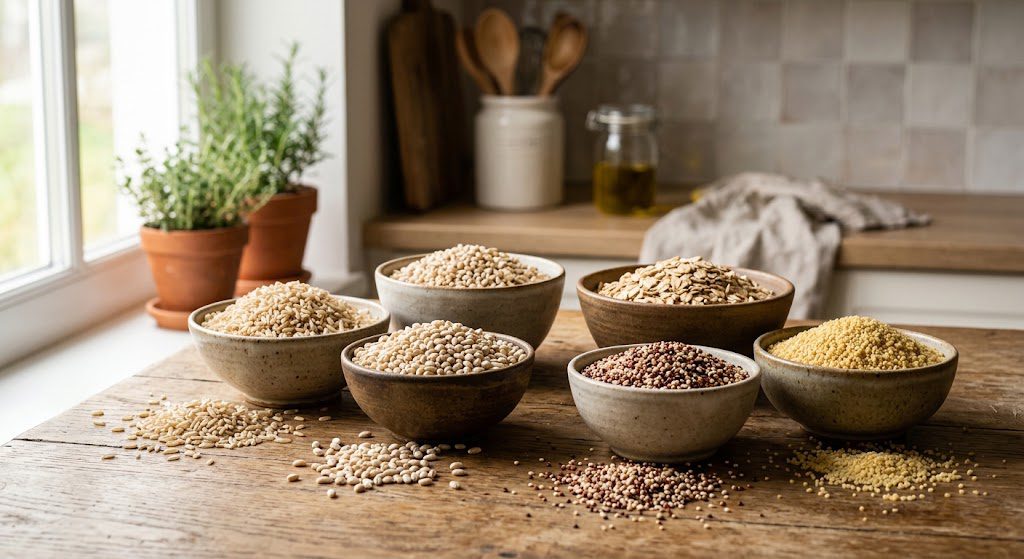
8. Swap White Rice for Brown Rice or Another Whole Grain
White rice can absolutely fit into a balanced diet, but if you want to increase your whole-grain intake, try brown rice or another whole-grain option.
Other possibilities include barley, bulgur, quinoa, or whole-grain couscous.
You do not have to replace every serving. Start by mixing half white rice with half brown rice, then gradually increase the whole-grain portion if you enjoy the taste.
9. Swap Refined Pasta for Whole-Grain Pasta
Pasta night does not have to disappear from a healthier diet.
Instead of completely changing your favorite recipes, try whole-grain pasta.
Pair it with vegetables, beans, fish, chicken, or a tomato-based sauce. Adding vegetables can increase the volume and nutrient density of the meal without requiring a complicated recipe.
If you are not used to whole-grain pasta, start with a mixture of regular and whole-grain pasta.
10. Swap Processed Meat for Lean Protein
Processed meats can be high in sodium and saturated fat, depending on the product.
For some meals, consider replacing processed meat with options such as beans, lentils, fish, skinless poultry, eggs, or lean cuts of meat.
For example, instead of making a sandwich with processed meat every day, try grilled chicken, tuna with a lower-sodium preparation, egg, or a bean-based filling.
The goal is variety—not eliminating one food overnight.
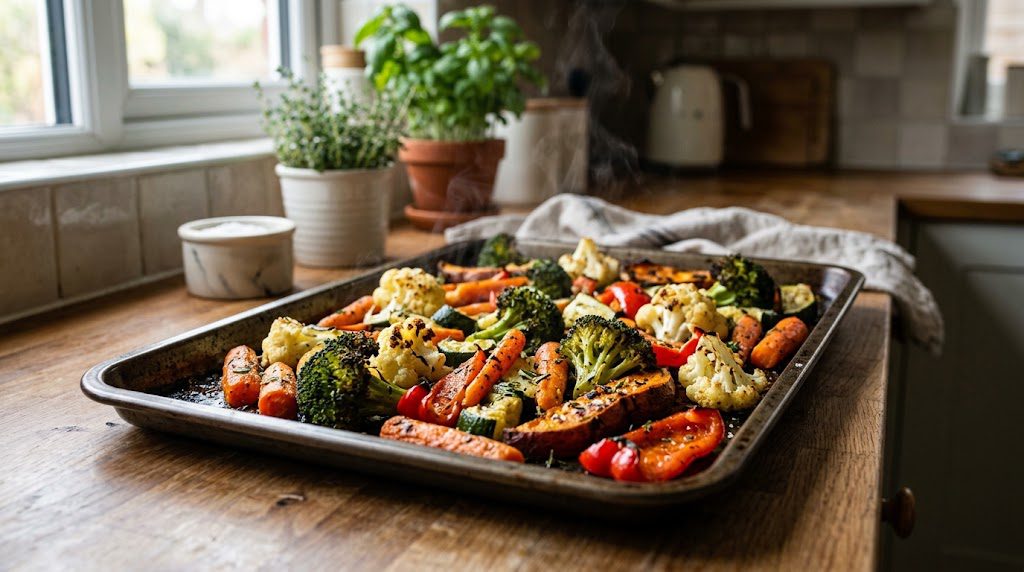
11. Swap Fries for Roasted Vegetables
French fries can be an occasional part of a balanced eating pattern, but roasted vegetables offer another way to make a meal more nutrient-dense.
Try roasting carrots, zucchini, peppers, cauliflower, broccoli, sweet potatoes, or other vegetables with a small amount of olive oil and herbs.
Roasting can bring out natural flavors and create a satisfying texture without deep-frying.
You can also experiment with different herbs and spices instead of relying heavily on salt.
12. Swap Sour Cream for Plain Greek Yogurt
If you like creamy toppings, plain Greek yogurt can work as a substitute in many meals.
Try it on baked potatoes, tacos, chili, grain bowls, or as the base of a dip.
Choose plain rather than sweetened yogurt when using it in savory recipes.
This swap can keep the creamy texture while giving you another source of protein.
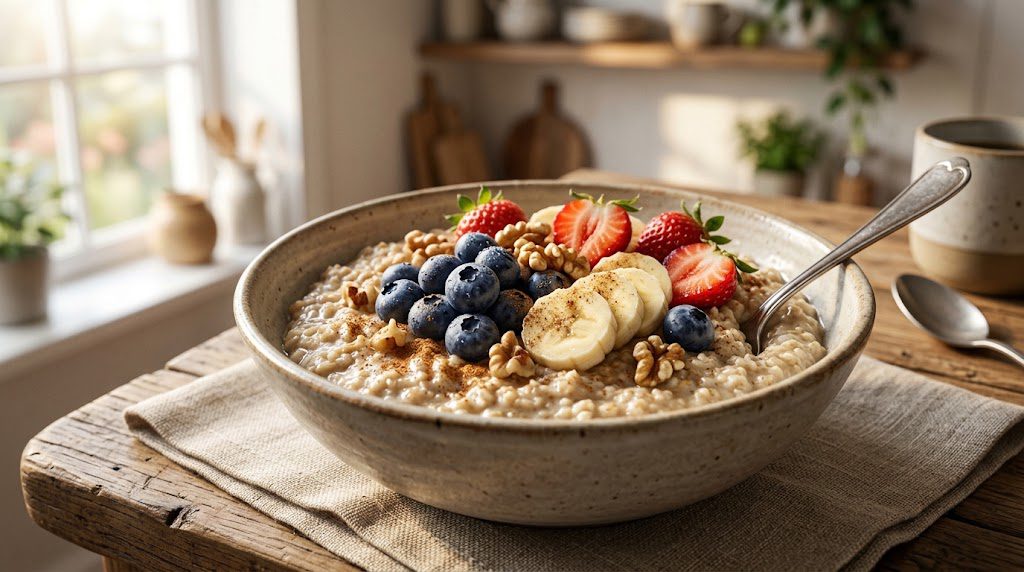
13. Swap Sugary Breakfast Cereal for Oatmeal
Some breakfast cereals contain large amounts of added sugar.
A bowl of plain oats gives you a simple base that you can customize yourself.
Add fresh or frozen fruit, cinnamon, nuts, seeds, or plain yogurt. If you prefer sweetness, fruit can provide natural sweetness without requiring a large amount of added sugar.
You can also prepare overnight oats the night before for a quick breakfast.
14. Swap Salty Packaged Snacks for Popcorn or Fresh Vegetables
When you want something crunchy, you have plenty of options beyond chips and crackers.
Air-popped popcorn can be a simple snack, while carrots, cucumbers, bell peppers, celery, and other vegetables can provide crunch with plenty of variety.
If you buy packaged snacks, compare Nutrition Facts labels. The FDA notes that checking the % Daily Value can help you identify foods that are higher or lower in nutrients such as sodium and saturated fat.
A useful rule is to compare similar products rather than assuming a package is healthier because of its marketing.
15. Swap Dessert Every Night for Fruit-Based Options
You do not have to give up dessert to eat healthier.
Instead, experiment with simpler fruit-based options.
Try baked apples with cinnamon, frozen grapes, berries with plain yogurt, sliced banana with a small amount of nut butter, or grilled peaches.
The idea is not that fruit is a replacement for every dessert. Rather, it gives you another option when you want something sweet without automatically reaching for highly processed sweets.
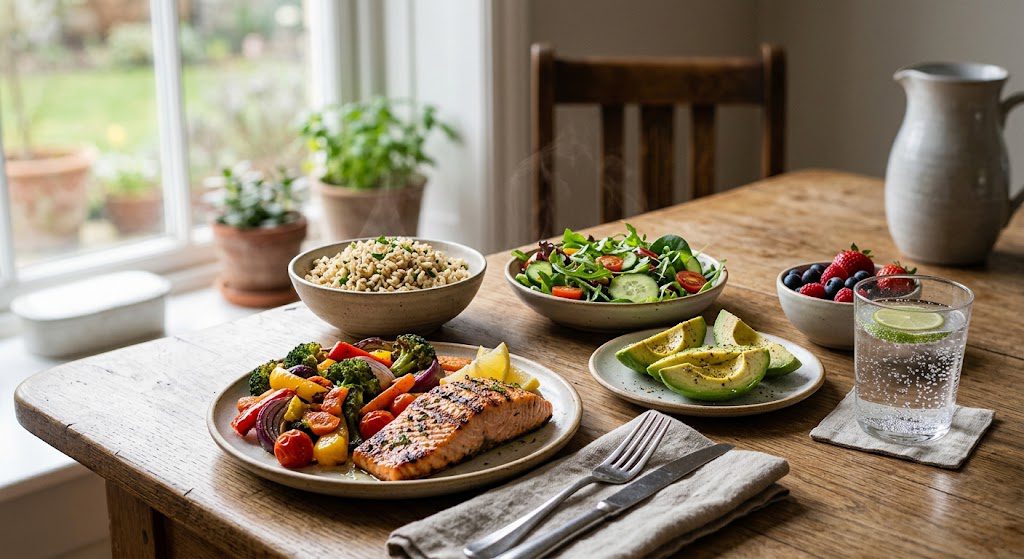
The Best Food Swaps Are the Ones You Can Keep Doing
Healthy eating is rarely about finding one magical food.
It is much more about the pattern of choices you make over time.
A few practical principles can make these swaps easier:
- Choose more vegetables and fruits.
- Make whole grains a regular part of your meals.
- Include a variety of protein sources.
- Choose unsaturated fats more often than saturated fats.
- Reduce added sugars, especially from drinks and heavily sweetened foods.
- Pay attention to sodium in packaged and restaurant foods.
- Read Nutrition Facts labels when comparing products.
- Focus on minimally processed foods when possible.
The American Heart Association recommends patterns that emphasize vegetables, fruits, whole grains, healthy protein sources, unsaturated fats, and minimally processed foods while minimizing added sugars and excess sodium.
You Don’t Have to Change Everything at Once
Trying to completely redesign your diet overnight can make healthy eating feel harder than it needs to be.
Instead, choose two or three swaps that fit naturally into your routine.
Maybe your first change is replacing soda with sparkling water. Your second might be switching from white bread to whole-grain bread. A third could be keeping fruit and unsalted nuts available for snacks.
Once those choices become routine, you can make another small change.
That approach is often much more realistic than trying to follow a perfect diet from day one.
Frequently Asked Questions
Are simple food swaps really useful?
Yes. Small substitutions can improve the nutritional quality of meals, especially when they help you eat more whole grains, fruits, vegetables, healthy protein sources, and unsaturated fats while reducing added sugars, sodium, or saturated fat.
What is the easiest healthy food swap to start with?
Replacing sugary drinks with water or unsweetened beverages is one simple place to start. You can also try adding more fruit and vegetables to meals you already enjoy.
Is brown rice healthier than white rice?
Brown rice is a whole grain, while white rice is refined. Choosing brown rice or another whole grain can help increase whole-grain intake, although white rice can still be part of a balanced diet.
What can I use instead of butter?
For many cooking and dressing applications, liquid plant oils such as olive or canola oil can be alternatives to butter. The best choice depends on the recipe and how the ingredient is being used.
How can I reduce added sugar without giving up sweet foods?
Start by choosing fruit more often, selecting unsweetened versions of foods such as yogurt, and gradually reducing the amount of sugar added to drinks and recipes.
Are nuts a healthy snack?
Nuts can be a nutrient-dense snack and provide unsaturated fats and protein. Because they are calorie-dense, a moderate portion is generally more practical than eating them without limits.
Do I have to stop eating my favorite foods?
No. A healthier diet does not require eliminating every favorite food. The goal is to create an overall eating pattern that includes a wide variety of nutritious foods while keeping highly processed foods, added sugars, sodium, and saturated fat in check.
What is the most important thing to remember?
Think about your overall eating pattern rather than searching for one perfect food. Small, sustainable choices can add up over time.
Final Takeaway
You do not need a completely new diet to start eating better.
Try changing one thing at a time: whole-grain bread instead of refined bread, water instead of sugary drinks, fruit instead of candy, nuts instead of chips, or olive oil instead of butter when appropriate.
The best healthy food swaps are the ones that fit your lifestyle well enough to become habits.
Start with one swap today. Then build from there.