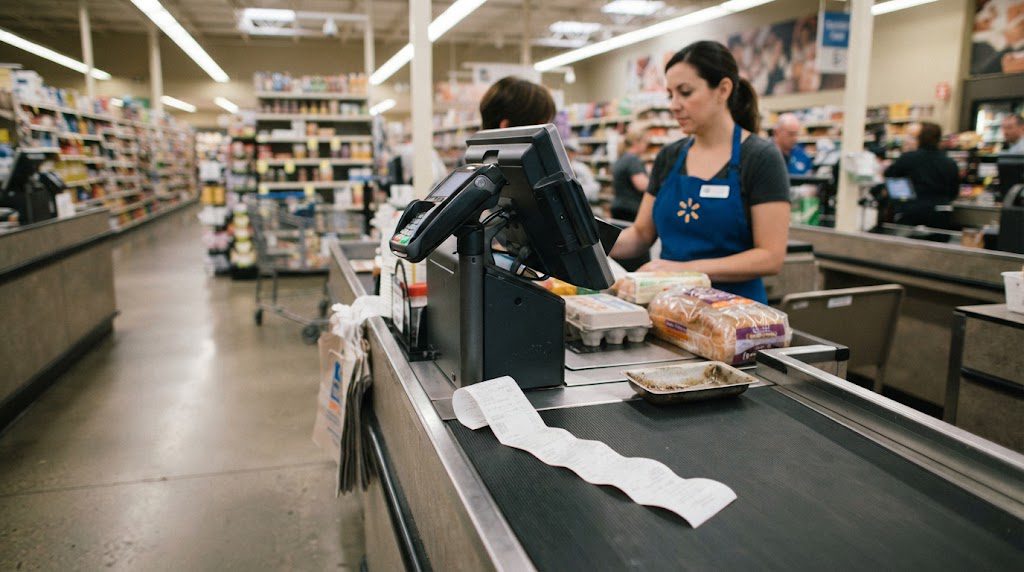
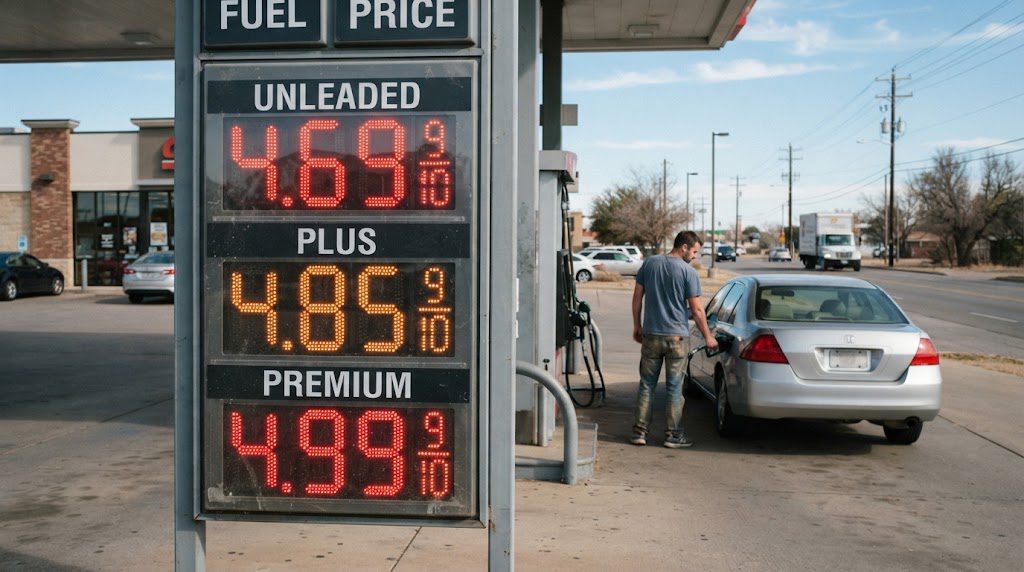
In late 2025, as President Donald Trump began his second term, the political world was consumed with debates over tariffs, immigration, and foreign conflicts. But a quieter force was already reshaping the American political landscape: the slow, grinding reality of rising prices. By the summer of 2026, with midterm elections approaching, inflation had reasserted itself as the single most powerful issue in American politics. Gas prices climbed above $4 a gallon. Grocery bills kept rising. And no amount of White House optimism could convince voters that things were getting better.
The numbers told the story. In June 2026, annual inflation hit 4.2 percent, the highest level since 2023 . By August, it had eased slightly to 3.4 percent, but that was still well above the Federal Reserve’s 2 percent target . For families trying to balance rent, groceries, and gas, the improvement felt invisible. What they saw was a pay check that didn’t stretch as far as it used to.
The Polling Reality: Inflation Dominates Voter Concerns
If politicians needed proof that inflation was still the driving issue, the polling made it undeniable. A June 2026 survey by The Center Square found that 43 percent of registered voters ranked inflation among their top three concerns, up from 37 percent just three months earlier . One in five voters called it the single most important issue facing the country — ahead of immigration, which stood at 19 percent .
That shift wasn’t isolated. Gallup’s April 2026 Economy and Personal Finance survey found that 31 percent of Americans named inflation or high prices as their top financial problem, making it the most-cited concern for the fifth consecutive year . Energy costs, which had climbed sharply amid the war with Iran, were mentioned by 13 percent of respondents — up 10 percentage points from the previous year and the highest level since 2008 .
Perhaps most troubling for the White House was the collapse in economic optimism. By April 2026, a record 55 percent of Americans said their financial situation was getting worse, according to Gallup . By June, a separate Economist/YouGov poll found that 57 percent believed the economy was “getting worse,” the highest point of Trump’s second term .
What’s Actually Driving Prices Up
The inflation of 2026 wasn’t a mystery to economists. It was the product of specific, identifiable pressures — most of which were tied to policy decisions made in Washington and events overseas.
The Iran War and Energy Costs
When the United States and Israel launched attacks on Iran in early 2026, few predicted the economic fallout would extend so far. But by May, gasoline prices had surged to nearly $4.50 per gallon nationwide, according to AAA data cited in the Federal Reserve’s preferred inflation gauge report . The price of diesel — critical for shipping and transportation — topped $6 per gallon by September, setting a record that rippled through the entire economy .
The Bureau of Labor Statistics reported that energy prices rose 16.3 percent over the 12 months ending in August 2026, with gasoline alone jumping 27.4 percent . Even as the war continued without a clear end, the energy shock had embedded itself in the cost of nearly everything Americans bought.
Tariffs and the Cost of Goods
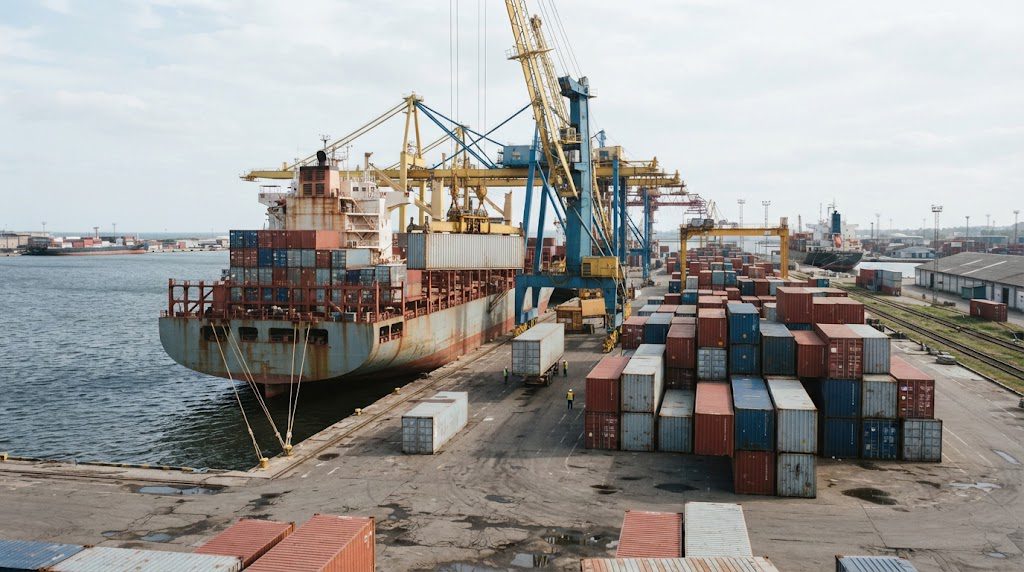
The Trump administration’s aggressive tariff policies added another layer of pressure. In March 2026, Federal Reserve Chair Jerome Powell noted that inflation’s “overshoot is mainly from the goods sector and tariffs” . Powell acknowledged that the Fed had expected to see “progress on tariffs going through once and then tariff inflation coming down,” but that progress had been slower than hoped .
By August, the Fed’s March statement that “inflation remains somewhat elevated” had become an understatement . With tariffs driving up the cost of imported goods and energy prices remaining volatile, the Fed faced a difficult choice: cut rates to boost growth, or hold steady to fight inflation.
The Fed’s Dilemma: Rate Cuts vs. Inflation Fight
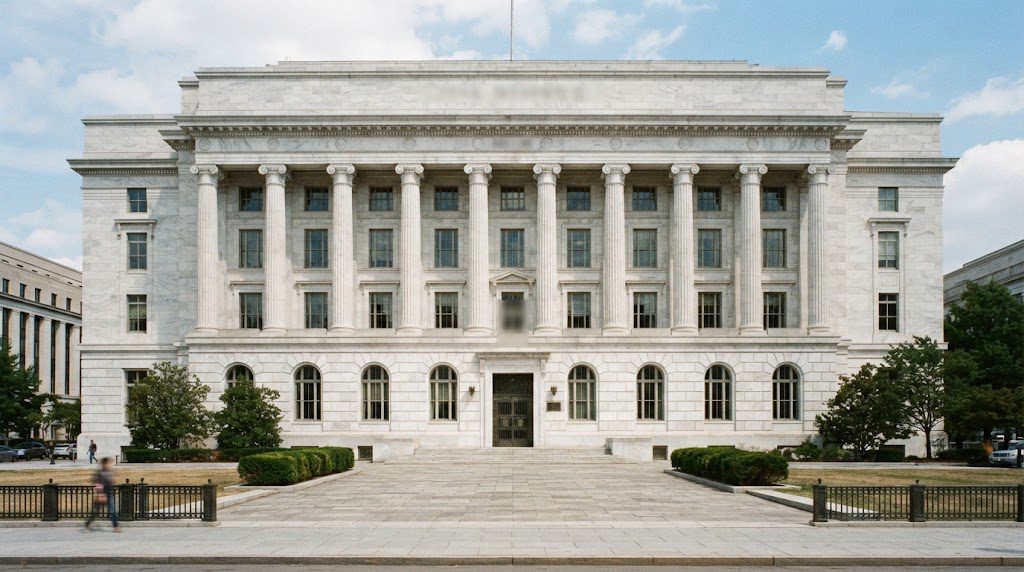
The Federal Reserve found itself in an unenviable position throughout 2026. Under new Chair Kevin Warsh, the central bank had entered the year expecting to cut interest rates. But as inflation proved stickier than anticipated, those plans were shelved.
By March, the Fed had kept its key rate unchanged at 3.5 to 3.75 percent . Powell’s successor, Warsh, signaled that the central bank’s next move could be a rate hike rather than a cut — a reversal that sent shockwaves through financial markets .
The August CPI report only intensified the pressure. With inflation at 3.4 percent annually and core prices rising 2.4 percent, the Fed faced a meeting on September 15-16 where a rate increase was suddenly on the table . Fed Governor Christopher Waller said publicly that it would “not take much acceleration in inflation” to push him toward a hike .
For ordinary Americans, the Fed’s decisions mattered in tangible ways. Higher interest rates meant more expensive mortgages, auto loans, and credit card debt. But without action, inflation could continue eroding purchasing power. There were no good options — only less bad ones.
The Political Fallout: Republicans on the Defensive
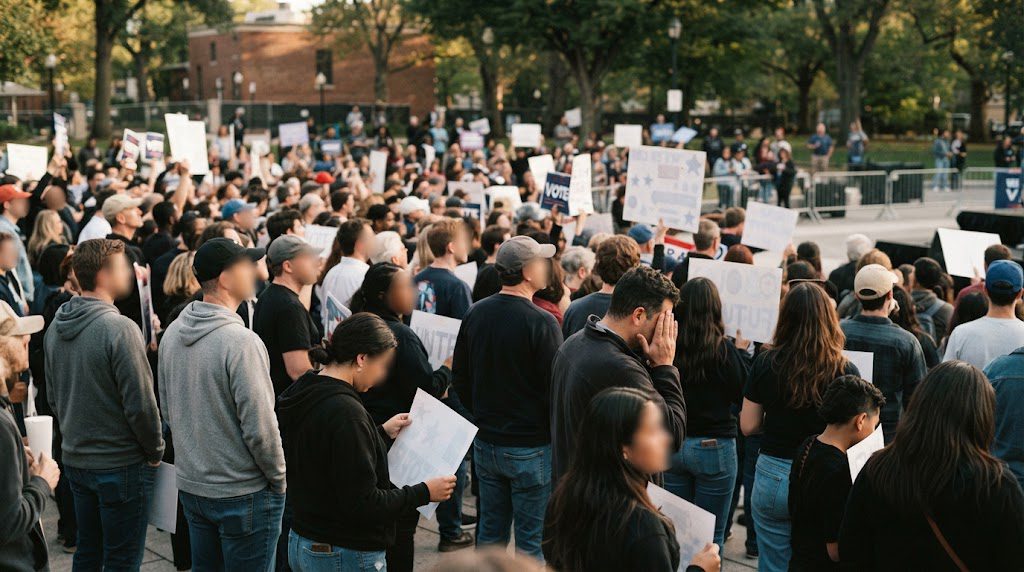
Inflation wasn’t just an economic problem. It was a political crisis for the party in power. Historically, Republicans had enjoyed an advantage on economic issues. But by mid-2026, that advantage had evaporated.
A Reuters/Ipsos poll in August found that 71 percent of registered voters disapproved of how Trump had handled the cost of living since taking office . Even among Republicans, 40 percent expressed disagreement . When voters were asked which party was better equipped to handle the cost of living, Democrats led by eight points — 36 percent to 28 percent .
The war with Iran compounded the problem. As gas prices climbed and the conflict dragged on, Trump’s overall approval rating fell to 33 percent in some polls — his lowest since returning to office . Even in his own party, support for his economic stewardship was eroding. Only 53 percent of Republican voters approved of his handling of the economy, down nearly 8 points from early August .
Trump’s response did little to reassure voters. In June, he told reporters he “loved the inflation” . At a Texas rally in September, he proposed giving every American $5,000 if Republicans held Congress — a plan that economists warned would cost over $1.2 trillion and could fuel even more inflation . And when asked about the impact of gas prices on families, he dismissed them as “peanuts” .
Why Voters Feel the Pain More Than the Data
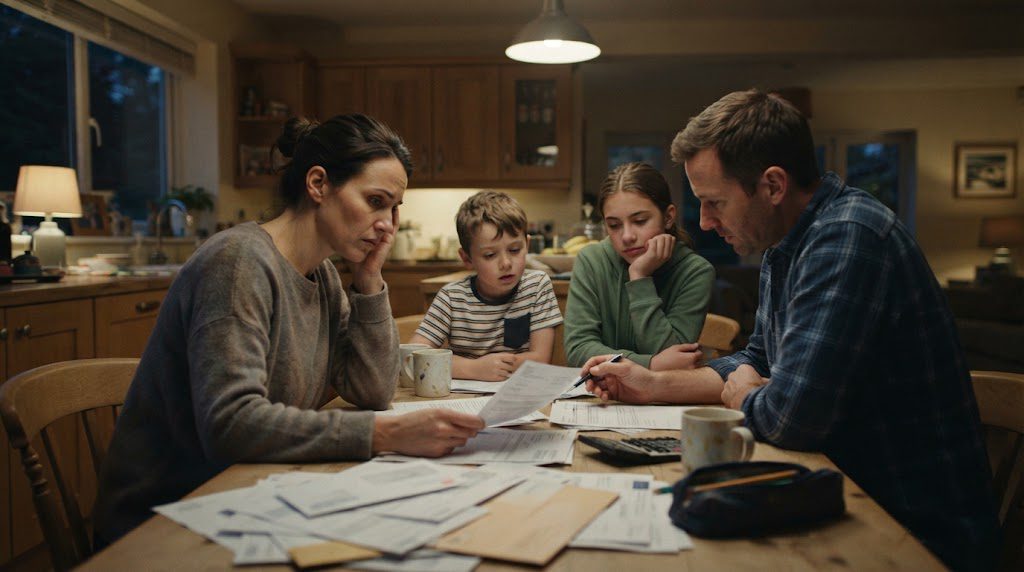
One of the most difficult challenges for the White House was the disconnect between headline economic data and lived experience. By conventional measures, the U.S. economy wasn’t in recession. GDP growth remained positive, and unemployment hovered around 4.1 percent . But those numbers didn’t capture what families were actually feeling.
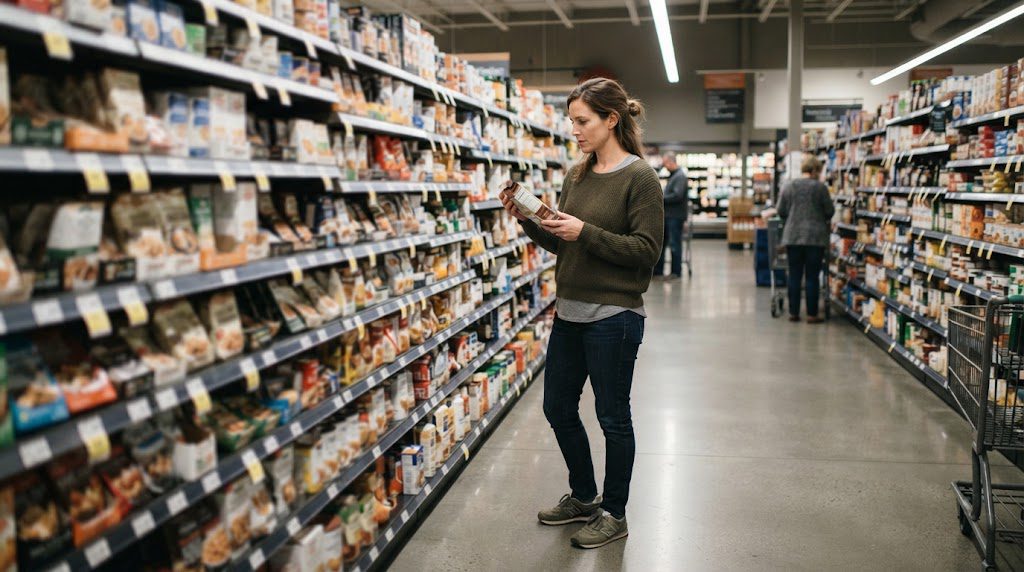
Diane Swonk, chief economist at KPMG, explained the problem clearly: years of accumulated inflation had left prices “too high for too many people” . Even when the rate of price increases slowed, the level of prices remained far above where they had been before the pandemic-era inflation spike began. For a family that had seen grocery bills rise by 20 or 30 percent over three years, a slight slowdown in the rate of increase offered little relief.
Real wages told a similar story. In August 2026, prices rose faster than hourly wages on a year-over-year basis for the fifth consecutive month . Americans were working harder and earning more on paper, but their purchasing power was shrinking. That reality shaped political perceptions in ways that abstract economic indicators could not.
The Path Forward: No Easy Solutions
As the midterm elections approached, neither party had a clear answer to the inflation problem. The Fed’s tools — interest rates — could slow price increases but couldn’t reverse them. Fiscal policy was gridlocked. And the underlying drivers of inflation — war, tariffs, supply chain pressures — were largely outside any single policymaker’s control.
Some economists warned that the worst might be yet to come. Oren Klachkin of Nationwide wrote in September that he did not see inflation “coming down at a meaningful pace any time soon” . The war with Iran showed no sign of ending. Tariff policies remained in place. And the Fed’s willingness to raise rates risked tipping the economy into recession.
For voters, the message was simpler: things were expensive, and no one seemed to have a plan to make them less so.
Frequently Asked Questions
Why is inflation still a top political issue in 2026?
Inflation remains the dominant voter concern because prices are still rising, even if more slowly than in 2022-2023. Gas prices, groceries, and housing costs continue to strain family budgets, and polls consistently show inflation as the top financial worry for Americans .
What is the current inflation rate in the U.S.?
As of August 2026, the Consumer Price Index rose 3.4 percent over the previous 12 months, according to the Bureau of Labor Statistics . Core inflation, which excludes food and energy, was 2.4 percent annually .
What caused the inflation spike in 2026?
The primary drivers were the war with Iran, which pushed energy prices sharply higher, and the Trump administration’s tariff policies, which increased the cost of imported goods . These pressures were compounded by lingering supply chain issues and strong consumer demand.
How has inflation affected President Trump’s approval ratings?
By September 2026, Trump’s overall approval rating had fallen to around 33 percent in some polls . On economic issues specifically, 71 percent of voters disapproved of his handling of the cost of living .
What is the Federal Reserve doing about inflation?
The Fed has kept interest rates at 3.5 to 3.75 percent and has signaled it may need to raise rates if inflation doesn’t come down . New Chair Kevin Warsh has emphasized the central bank’s commitment to returning inflation to its 2 percent target .
How does inflation compare to previous years?
Inflation peaked at 9.1 percent in June 2022 during the post-pandemic period . The 2026 spike, while lower, has lasted longer and been driven by different factors, including war and trade policy.
What does inflation mean for the midterm elections?
Polls show inflation and the cost of living are the top issues for voters heading into November 2026. Democrats have taken an eight-point lead on the question of which party is better equipped to handle costs, putting Republican majorities at risk .
Are prices actually falling, or just rising more slowly?
Prices are still rising, just at a slower pace than in 2022-2023. The level of prices remains far above pre-pandemic levels, which is why many Americans feel worse off despite lower inflation rates .